


Veneers
Price of Veneers
What are Veneers?
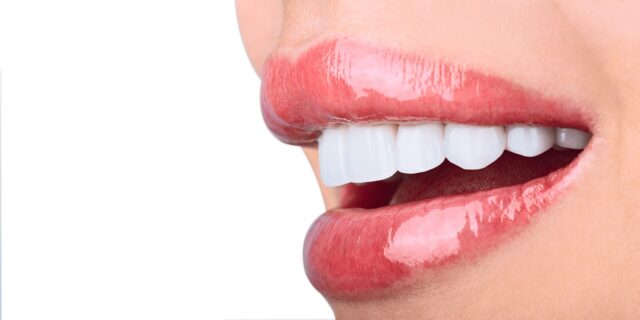
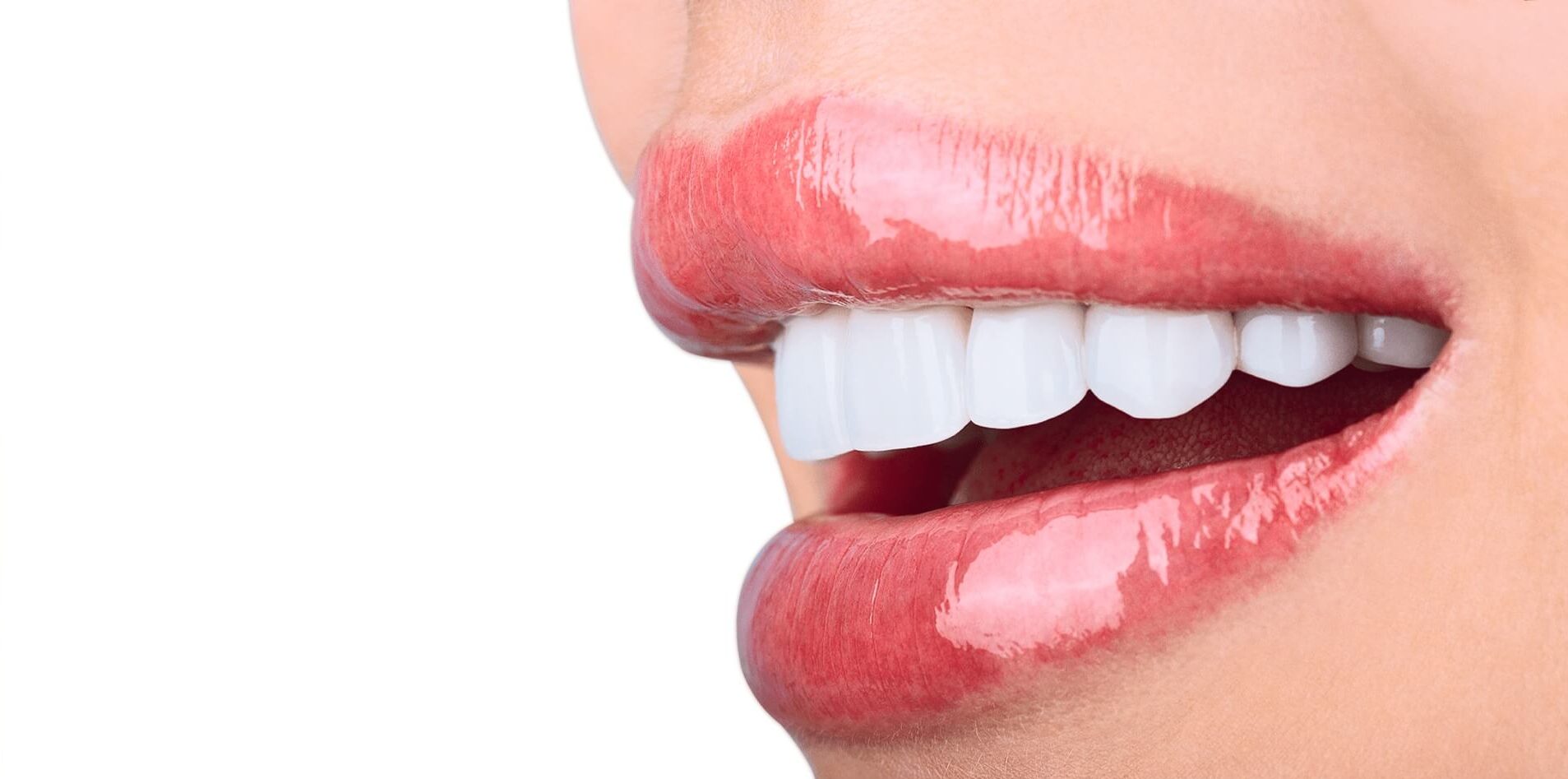
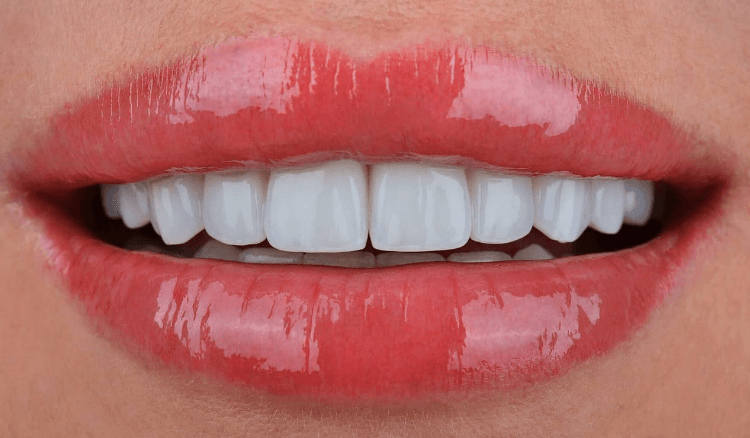
Veneers are thin lamellas attached to the front surface of the teeth to enhance their appearance. They are often made of ceramic or composite materials that adhere to your teeth.
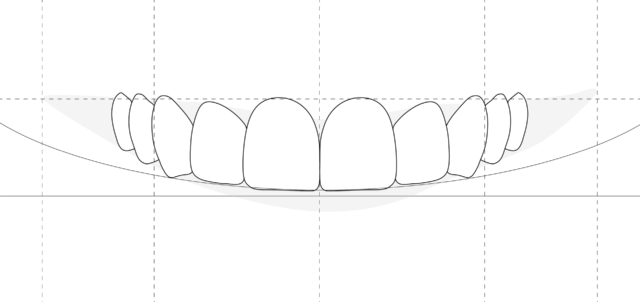
Answering whether it is possible to put veneers on uneven teeth, one should understand what tasks veneer prosthetics solves in dentistry. Veneers and the finest lumineers are special ceramic onlays that instantly transform a smile. Onlays hide minor defects in enamel, give a dazzling shine and self-confidence.
How Do You Know if You Need Veneers?
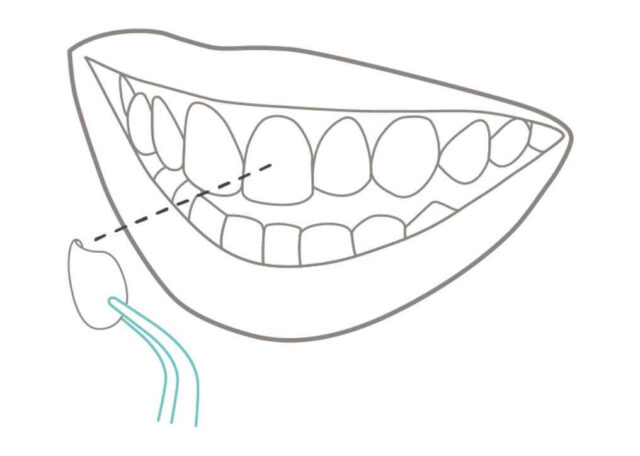
- Veneers can be used for various dental defects if you are not satisfied with their shape and size in the frontal area.
- For the restoration of fractured and endodontically treated anterior teeth.
- When treating anterior teeth with enamel hypoplasia.
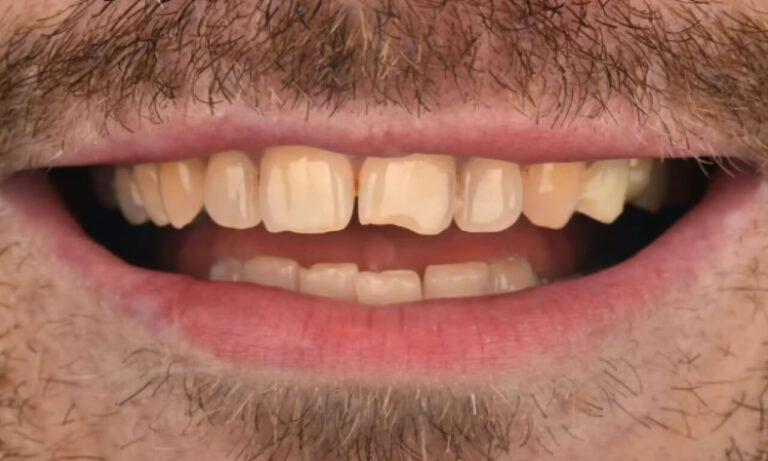
- Discoloration of teeth caused by trauma, root canal treatment, fluorosis.
- Closing a small gap (diastema, three) between two teeth.
Veneers not recommended:
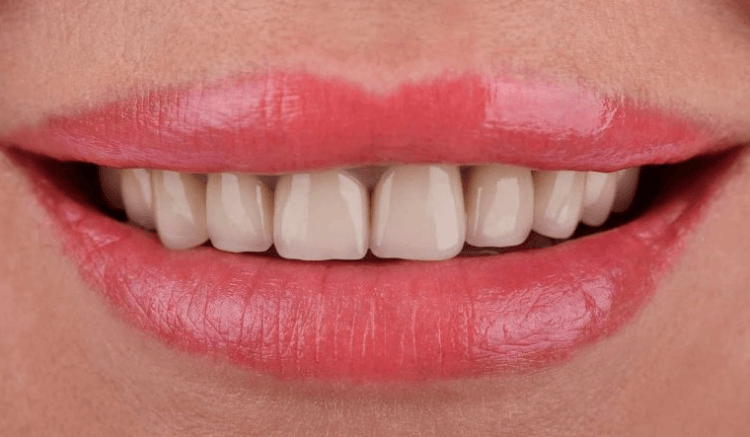
- Poor oral hygiene.
- Teeth that require deep subgingival restoration.
- Atypical occlusal loading, e.g., bruxism.
- Lack of sufficient amount of dental tissue to fix the veneer.
- The presence of large existing photopolymer restorations.
How are Veneers Installed?
Applying the traditional dental veneers usually involves grinding a part of the tooth with burs within the enamel, approximately 0.3-0.5 mm. This is an irreversible procedure that can be a little painful and often requires local anesthesia. After fixation of ceramic veneers, tooth sensitivity may persist for several weeks.
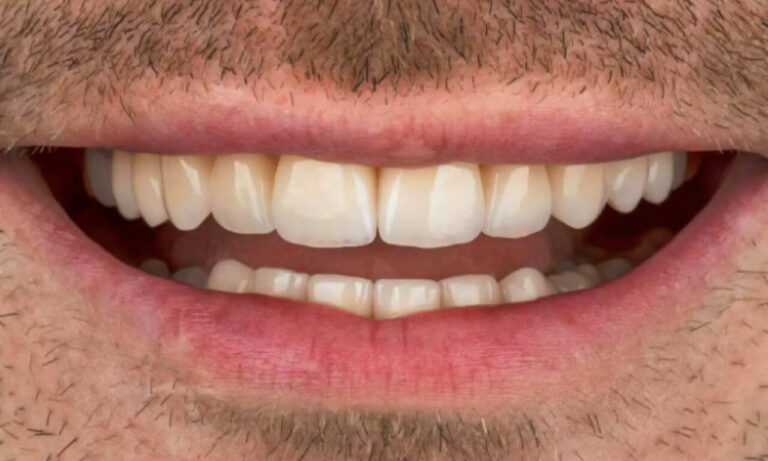
The most significant benefit of veneers is improving your teeth’ appearance, giving you a bright and even smile.
Veneer Longevity
Veneers can stay in the mouth for more than 15 years.
How to Care for Veneers
The AACD (American Academy of Cosmetic Dentistry) suggests flossing veneers just like you do your own teeth. Brush your teeth daily, use non-abrasive fluoride toothpaste, limit coffee, red wine, and other stain-causing foods.
We recommend having a professional cleaning every three months.
Keep in mind that at some point, the veneers will need to be replaced (after 15 years or more), no matter how well you take care of them. But proper oral hygiene will help them last as long as possible.
Manufacturing Process of Dental Veneers
There are several basic methods for veneers manufacturing:
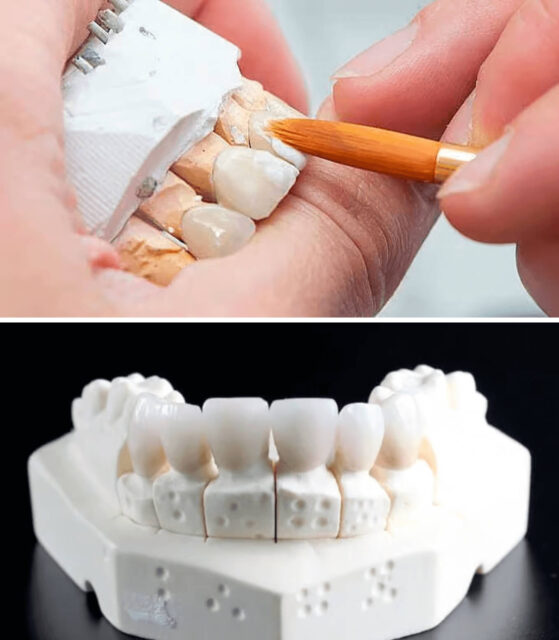
- Layering technique. Each layer is applied to a special foil that covers the patient’s tooth plaster cast. The porcelain mass is applied in thin layers to ensure maximum naturalness and transparency of the product. After the layers are applied, the model is fired in an oven and covered with a new layer. Then the patient tries the veneer on and, if necessary, it is adjusted.
- Composite veneers. For this purpose, the doctor takes casts from the teeth, and the plaster models are prepared. After that, the composite is exposed to ultraviolet light treatment. Subsequently, each plate is polished, ground, and sent for final placement. Adjustment is carried out if necessary.
- 3D technologies. It is one of the most popular and innovative methods of making veneer models. The scanner reads
information from a tooth prepared for restoration, calculates the plate’s necessary parameters, and grinds the finished model using special equipment. The main advantage is the reliability of calculations, high accuracy of results, and speed of production.


Reviews


FAQ
What are veneers?
Veneers are ceramic or composite shells that replace the front and sometimes chewing tooth surfaces. Veneers design helps correct the shape and color of the tooth and is an alternative to a full crown in cases where only partial tooth preparation is required. A tooth restored with a veneer and increasing aesthetics gains strength because the finished structure is fixed adhesively and creates monolithic restoration.
Indications and contraindications for veneer placement
Indications: unsatisfactory teeth aesthetics due to discoloration, stains, enamel defects, abrasion, and chipping, increased interdental spaces (diastema and trema), crooked teeth, as well as old and discolored restoration.
What teeth can be covered with veneers?
If indicated, ceramic restorations can be placed on any tooth treated from cavities.
Straightening teeth with veneers
Veneers allow eliminating defects in the teeth shape and correct a slight tilt and rotation, but it is worth remembering that the more the tooth is “out of place,” the more dental tissue needs to be removed to “level” with the rest. Sometimes, to not make enormous sacrifices, it is worth considering the option of accelerated orthodontic treatment.
How are veneers fixed?
According to some reports, a classical veneer’s adhesion force (when the cavity preparation was performed within the vestibular surface) can even be slightly higher than the force bonding enamel to a tooth.
Veneers are fixed on the teeth “adhesively”; in other words, they are glued. This retention method is considered highly reliable. In many respects, veneer lifespan depends on this factor, lasting from 10 to 15 years or more.
When do you need veneers?
Veneers are a good choice if the teeth are not too damaged since veneers only cover the frontal tooth area. Veneers can be used when you want to correct your teeth’ color, shape, position, or size when you want to reduce your teeth’ distance or repair a chipped tooth.
Do veneers damage natural teeth?
There is nothing better than a healthy, well cared, fine tooth, undamaged by time or a tool. But if it is far from being perfect, and especially if it is not healthy? When the treatment is performed applying the classical dentistry approach, it is about dental rehabilitation and not about harm due to a compromise between beauty and functionality. Of course, to consider the possible consequences, weigh the risks, and evaluate the benefits, it is necessary to undergo a clinical examination. A dental specialist will be able to answer all questions, and the clinical picture will be complete.
How long does it take to manufacture veneers?
Depending on the clinical situation, we can make veneers for you within 3-8 days.
What is the difference between veneers and lumineers?
Veneers and lumineers are dental onlays, also called microprosthetics.
Applying the traditional dental veneers usually involves grinding a part of the tooth approximately 0.3-0.7 mm. So in the future, you will have to wear veneers permanently as a protective element. Lumineers do not require tooth facing; these are the same veneers, only in the premium segment; they are extremely fine and durable but are more expensive than veneers.

 Out team
 Reviews
 Blog
Blog News
News Price list
 Partners
 FAQ
FAQ Vacancies
 Dental Consultation
 Tooth Decay Treatment
 Root canal treatment (endodontics)
 Orthodontics
 Dental implantation
 Dental prosthetics
 Professional oral hygiene
 Tooth Filling
 Periodontal disease treatment
 Teeth restoration
 Teeth extraction
 Surgical dentistry
 Sedation dentistry (sleep dentistry)