


Automatically translated by Google

Reviews are sourced from Google. Some reviews may be automatically translated and are displayed without editorial changes.
Automatically translated by Google

Automatically translated by Google

Automatically translated by Google

Automatically translated by Google

Automatically translated by Google

Automatically translated by Google

Automatically translated by Google

Automatically translated by Google

Automatically translated by Google
Nobel Biocare is a pioneer in dental implantology with over 60 years of experience. Founded in Switzerland, it has become a world leader in implant design.
Why is the Nobel implant system the best implant system in the world?
Professor Per-Ingvar Brånemark, the pioneer of osseointegration (implant grafting to bone), founded the company. The company regularly conducts primary scientific research worldwide and ensures that its products undergo at least five years of clinical trials and meta-analyses before they are released for sale.


The implants use titanium with special coatings such as TiUnite, TiUltra, Xeal, which accelerates implant engraftment. Successful engraftment has been proven in more than 98% of cases.
Innovative technologies are used in the manufacturing process. The company offers various systems, from classic implants to immediate loading solutions (All-on-4).
Nobel Biocare offers a lifetime warranty on implants.
Nobel Biocare offers a wide range of dental implants suitable for various clinical cases, from single tooth replacement to total rehabilitation. Your dentist can advise you on the best types of dental implants for you.
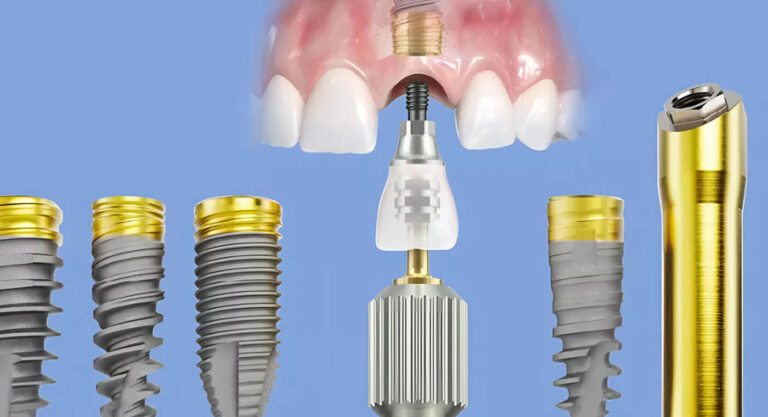
NobelActive
NobelReplace
NobelSpeedy
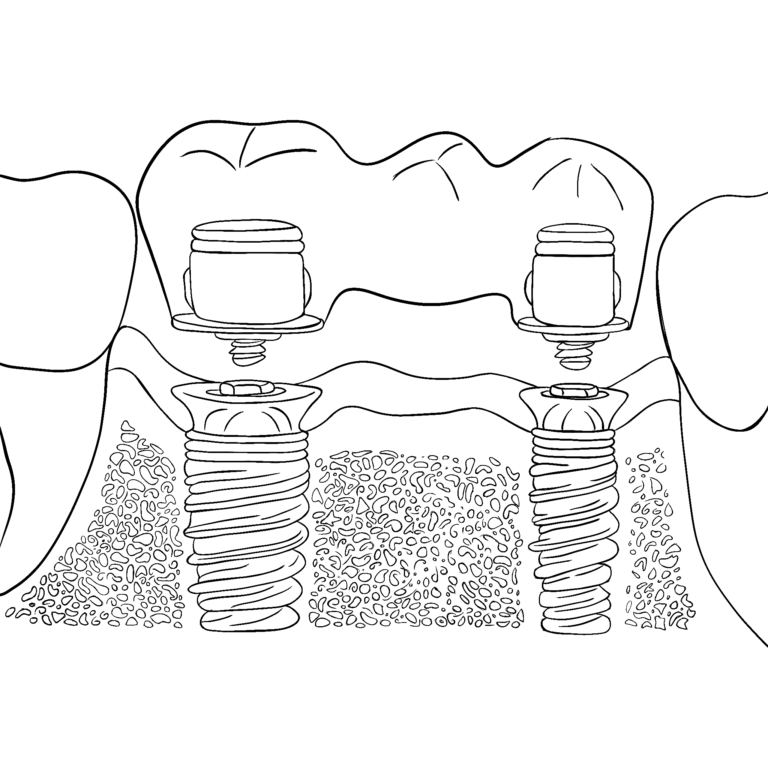
NobelParallel
NobelZygoma
The company also has its own NobelProcera system for implant-supported prosthetics.
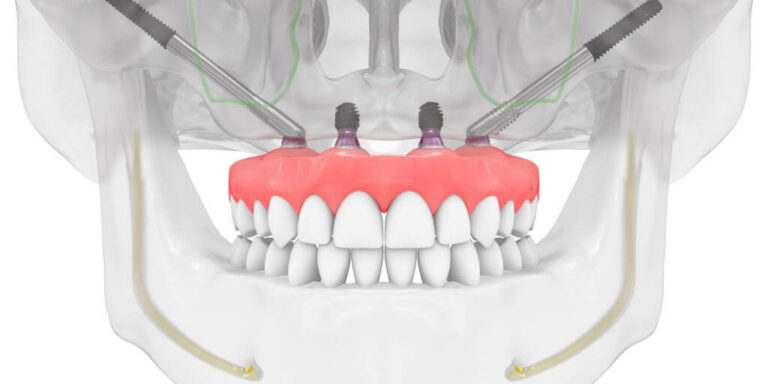
NobelProcera is Nobel Biocare’s high-tech line of CAD/CAM solutions designed to produce customised dental restorations with the highest precision and aesthetics. The system offers a wide range of prosthetic solutions for restoring single teeth and complete dentition.
The main features of NobelProcera are:
1. Customised abutments
2. Crowns and bridges


3. Denture frameworks
4. Digital scanning and design
NobelProcera products are manufactured at Nobel Biocare’s state-of-the-art facilities in Sweden and the USA. They undergo a complete digital processing cycle, ensuring each design’s highest precision and quality.
The selection of a particular type of implant is based on the patient’s clinical situation.
Nobel Biocare Implant Process
1. Digital Design (CAD)
2. Manufacturing (CAM)
3. Quality Control
4. Shipment to the laboratory or clinic
Finished products are delivered directly to the dental laboratory or clinic and ready for fitting.
The time frame for prosthetics is 2-3 weeks.
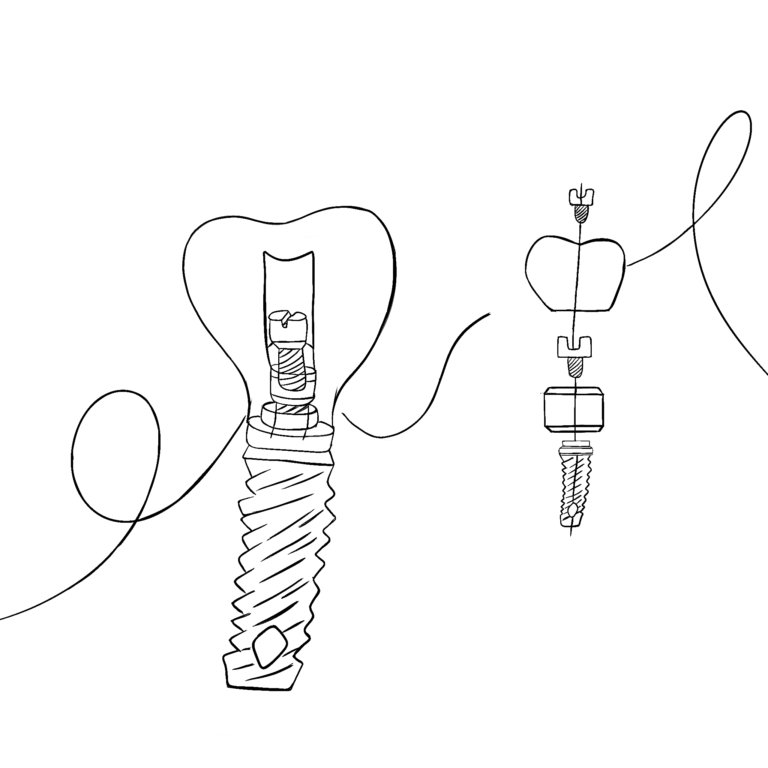
Why is this important for patients?

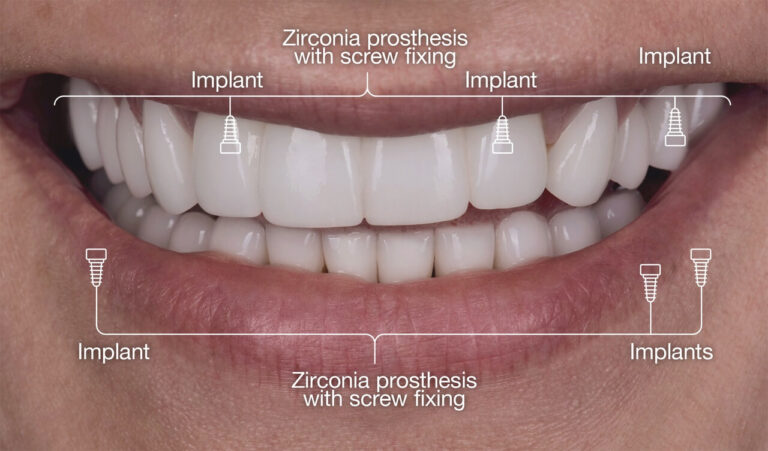
Nobel Biocare is a benchmark in implantology. Its system combines scientific innovation, the highest quality, and many years of clinical experience. The company’s implants and orthopaedic solutions reliably restore teeth to natural aesthetics and functionality.
By choosing Nobel Biocare, you are choosing durability, safety and confidence in your smile for many years to come.


 (176)
(176)
 (169)
(169)

Our clinic offers Nobel Biocare implantation at 14 Patorzhynskogo Street, in the heart of the city. It is convenient to get there from the metro stations “Golden Gate”, “Maidan Nezalezhnosti” or “Khreshchatyk”, as well as from Podol and Pechersky districts.
It is also comfortable to come from other cities or suburbs — Brovary, Vyshnevyi, Irpin. Convenient parking is available for everyone.
KES specialists will advise you and find the best Nobel Biocare implant option for you. Book an appointment!


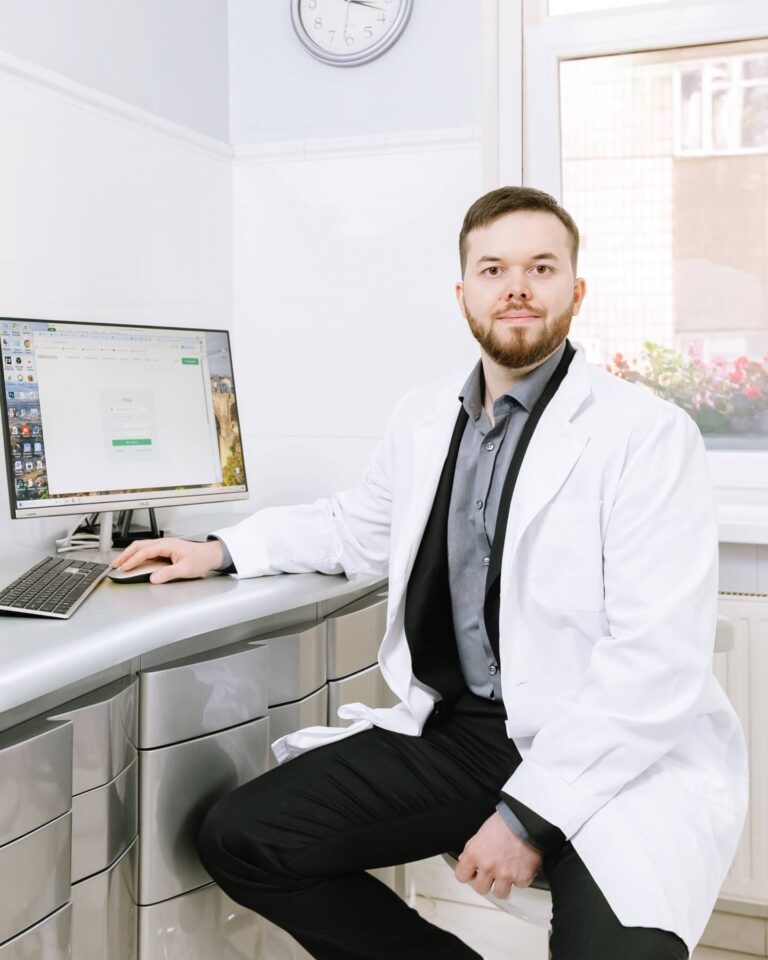


 Our team
 Reviews
 Blog
Blog News
News Partners
 FAQ
FAQ Vacancies
 Dental Consultation
 Tooth Decay Treatment
 Root canal treatment under a microscope
 Orthodontics
 Dental Implants
 Dental Prosthetics
 Professional Oral Hygiene
 Tooth Filling
 Periodontal disease treatment
 Aesthetic Dental Restoration
 Teeth extraction
 Surgical dentistry
 Sedation dentistry (sleep dentistry)