




Automatically translated by Google
Reviews are sourced from Google. Some reviews may be automatically translated and are displayed without editorial changes.
Automatically translated by Google

Automatically translated by Google

Automatically translated by Google

Automatically translated by Google

Automatically translated by Google

Automatically translated by Google

Automatically translated by Google

Automatically translated by Google

Automatically translated by Google
Granulomatous periodontitis (apical periodontitis) results from an untreated root infection in a tooth that affects the surrounding tissue behind the root apex.
Microbial factorised pulp and periodontal ligament and a weak immune system contribute to the development of chronic apical periodontitis, which leads to local inflammation, resorption (destruction) of bone, and sometimes even the root wall.
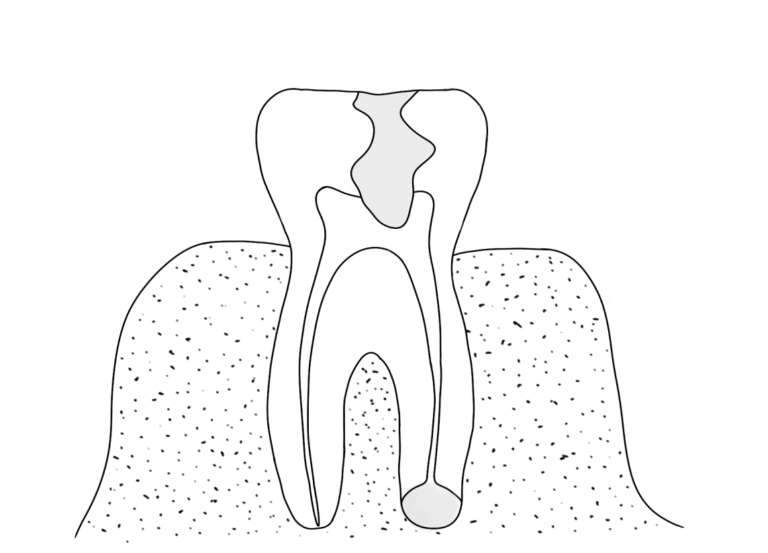
The onset and exacerbation of chronic periodontitis begins with such symptoms:

Treatment of periapical lesions involves destroying pathogenic microflora or significantly reducing the microbial load on the root canal and preventing re-infection by orthograde filling.
The percentage of successful results after treatment is relatively high — more than 70% — but the expected response to the treatment may not occur due to the anatomical features of the microcanals, which are inaccessible for cleaning and treatment according to modern protocol. There are also biological causes of failure, which cannot be affected even by medication. Dominating, such a factor, inhibits the treatment of the tooth.
Monitoring the treatment results is carried out under the dentist’s control with the help of X-ray diagnostics or computer tomography 6-8 months after root canals are filled. The data are compared with the primary image at the time of the patient’s request with the problem.
Apical periodontitis is not subject to self-healing and often has an asymptomatic irreversible course, so only instrumental diagnosis and careful collection of anamnesis by a dentist will ensure that the patient receives timely, appropriate treatment. Otherwise, tooth extraction is recommended when the consequences of inflammation are assessed to a severe degree.


 (638)
(638)
 (240)
(240)






 Our team
 Reviews
 Blog
Blog News
News Partners
 FAQ
FAQ Vacancies
 Dental Consultation
 Tooth Decay Treatment
 Root canal treatment under a microscope
 Orthodontics
 Dental Implants
 Dental Prosthetics
 Professional Oral Hygiene
 Tooth Filling
 Periodontal disease treatment
 Aesthetic Dental Restoration
 Teeth extraction
 Surgical dentistry
 Sedation dentistry (sleep dentistry)