




Automatically translated by Google
Reviews are sourced from Google. Some reviews may be automatically translated and are displayed without editorial changes.
Automatically translated by Google

Automatically translated by Google

Automatically translated by Google

Automatically translated by Google

Automatically translated by Google

Automatically translated by Google

Automatically translated by Google

Automatically translated by Google

Automatically translated by Google
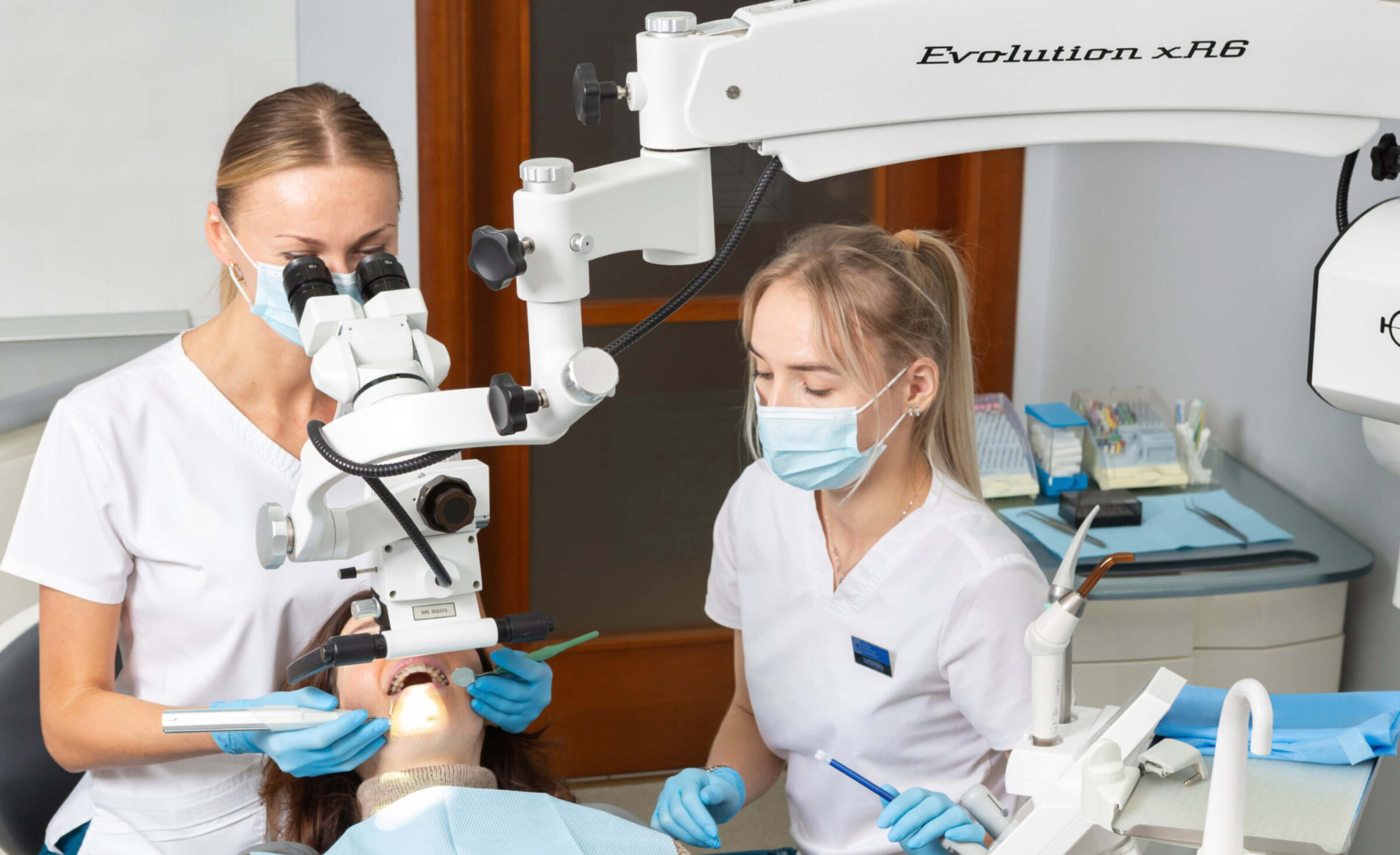
A toothache of varying intensity causes the patient to seek dental care. In some situations, taking painkillers does not give the expected result, and the patient needs to be taken immediately. It is a question of removing the infected nerve, which is the actual cause of the reaction to cold, hot, or food.
A dentist can establish the indications for the procedure during the tooth’s diagnosis using special nerve vitality tests, X-rays, or CT scans.
Indications for nerve removal are:
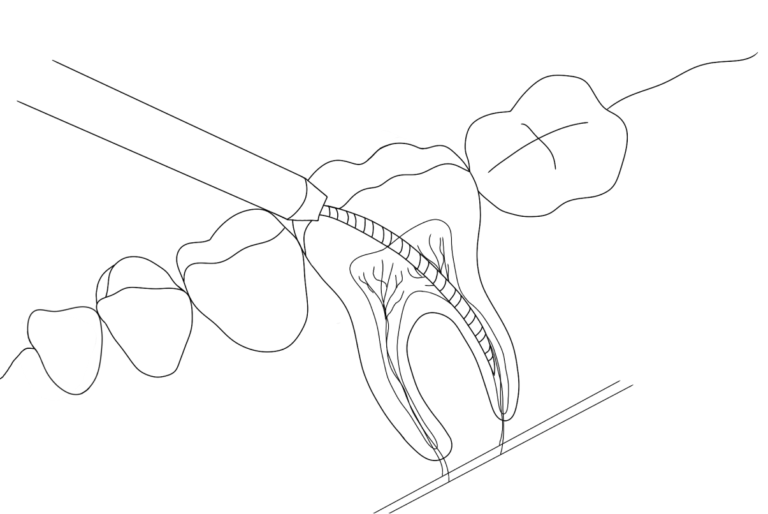
The nerve removal procedure is performed under local anaesthesia, making it painless for the patient. Pain in the tooth is caused by infection, which can be removed entirely during the first visit, together with the nerve-vascular bundle in the root canals. At the first or second visit, the treatment is completed with a permanent filling of the root canals and the tooth crown so that the hermetically sealed tooth is no longer affected by the infection. After the treatment is completed, all symptoms disappear entirely.
In practice, there are also cases when the removal of the nerve does not require emergency treatment, such as when a tooth requires treatment as planned. The earlier help is provided, the fewer the consequences for the patient.

The following symptoms are distinguished for such cases:
Treating a tooth with an infected nerve in time prevents several complications that can lead to repeated root canal treatment or tooth extraction.


 (1,592)
 (115)
(115)




 Our team
 Reviews
 Blog
Blog News
News Partners
 FAQ
FAQ Vacancies
 Dental Consultation
 Tooth Decay Treatment
 Root canal treatment under a microscope
 Orthodontics
 Dental Implants
 Dental Prosthetics
 Professional Oral Hygiene
 Tooth Filling
 Periodontal disease treatment
 Aesthetic Dental Restoration
 Teeth extraction
 Surgical dentistry
 Sedation dentistry (sleep dentistry)