


Automatically translated by Google

Reviews are sourced from Google. Some reviews may be automatically translated and are displayed without editorial changes.
Automatically translated by Google

Automatically translated by Google

Automatically translated by Google

Automatically translated by Google

Automatically translated by Google

Automatically translated by Google

Automatically translated by Google

Automatically translated by Google

Automatically translated by Google
After tooth extraction, the body initiates natural healing processes. However, in some cases, inflammation develops in the socket area, accompanied by pain, unpleasant odour and tissue regeneration disorders. This condition is known as alveolitis and requires immediate professional attention.
At KES Clinic, we provide effective treatment for alveolitis using modern painkillers, antiseptics and regenerative techniques.
Alveolitis is an acute inflammation of the tooth socket that develops after tooth extraction. Normally, a blood clot forms at the bottom of the socket as a biological defence against infection. However, if it does not form or is lost, the cavity remains open and vulnerable to bacteria.
Alveolitis can occur after the removal of both simple and complex (including impacted) teeth. The condition requires mandatory treatment; otherwise, the inflammation may spread to the bone and soft tissues.
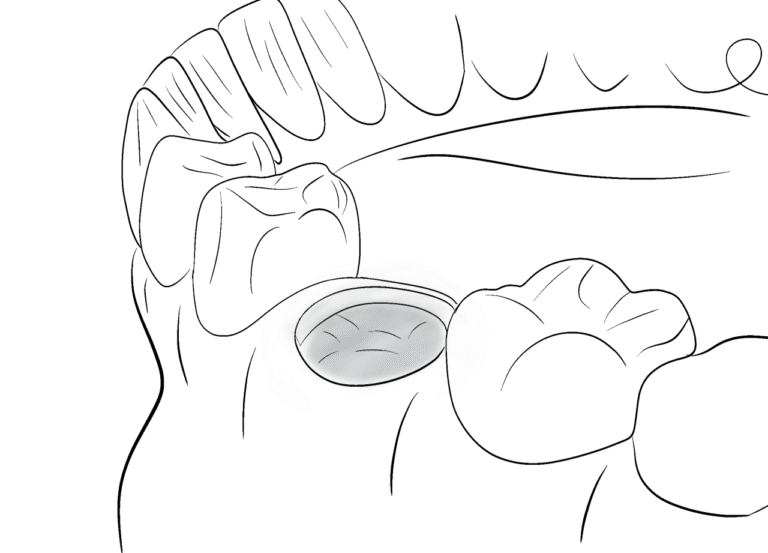
When does inflammation develop?
Alveolitis typically develops 2-4 days after tooth extraction, although it may also occur during the first week.
It is caused by:

If treatment is not initiated promptly, the inflammation can spread to the alveolar bone after tooth extraction, potentially leading to complications such as osteomyelitis, periostitis, and abscess.
Treatment of alveolitis at KES clinic follows a clear protocol, which includes pain relief, sanitation, and the creation of conditions for healing.
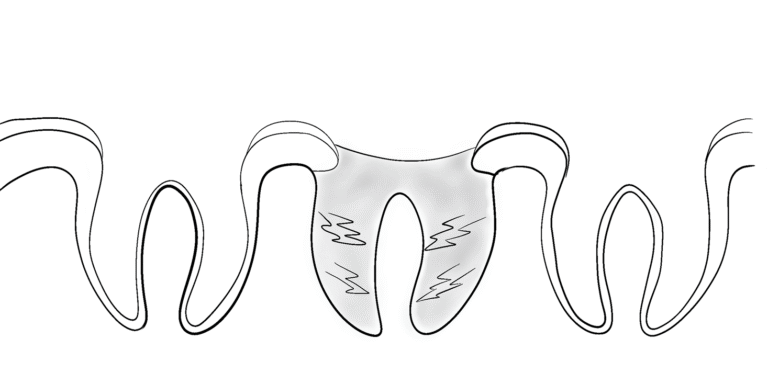
The gauze can be replaced after 1-2 days. In some cases, a single visit is sufficient, while in others, dynamic observation and repeated applications are necessary.
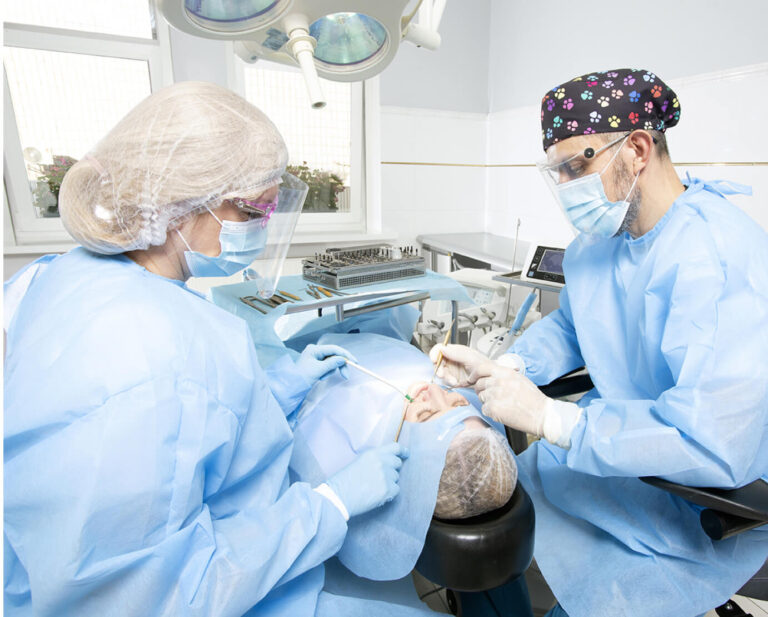
We don’t just eliminate the symptoms — we create the conditions for complete recovery of the socket and prevention of complications.
The cost of the procedure depends on the extent of the inflammation, the degree of tissue damage, the need for repeat visits and the medications used. Treatment is selected individually after an in-person examination.
After the examination, you will receive a clear treatment plan and recommendations.



 (119)
(119)
 (3)
(3)

Our clinic offers professional treatment of pathological tooth wear at 14 Patorzhynskoho Street, in the heart of the city. It is easily accessible from the Zoloti Vorota, Maidan Nezalezhnosti, and Khreshchatyk metro stations, as well as from the Podil and Pecherskyi districts.
It is also easy to get here from other cities or suburbs, such as Brovary, Vyshneve, and Irpin. Convenient parking is available for all visitors.

Yes, a ‘dry socket’ is the colloquial name for alveolitis when there is no protective clot and the bone is exposed. This is a painful condition that requires treatment.
The doctor puts an anti-inflammatory and antiseptic medication into the socket, most often based on eugenol, iodoform, or an antibiotic. Sometimes, plasma-rich fibrin (PRF) is used for regeneration.
The doctor puts an anti-inflammatory and antiseptic medication into the socket, most often based on eugenol, iodoform, or an antibiotic. Sometimes, plasma-rich fibrin (PRF) is used for regeneration.





 Our team
 Reviews
 Blog
Blog News
News Partners
 FAQ
FAQ Vacancies
 Dental Consultation
 Tooth Decay Treatment
 Root canal treatment under a microscope
 Orthodontics
 Dental Implants
 Dental Prosthetics
 Professional Oral Hygiene
 Tooth Filling
 Periodontal disease treatment
 Aesthetic Dental Restoration
 Teeth extraction
 Surgical dentistry
 Sedation dentistry (sleep dentistry)