





Automatically translated by Google

Reviews are sourced from Google. Some reviews may be automatically translated and are displayed without editorial changes.
Automatically translated by Google

Automatically translated by Google

Automatically translated by Google

Automatically translated by Google

Automatically translated by Google

Automatically translated by Google

Automatically translated by Google

Automatically translated by Google

Automatically translated by Google
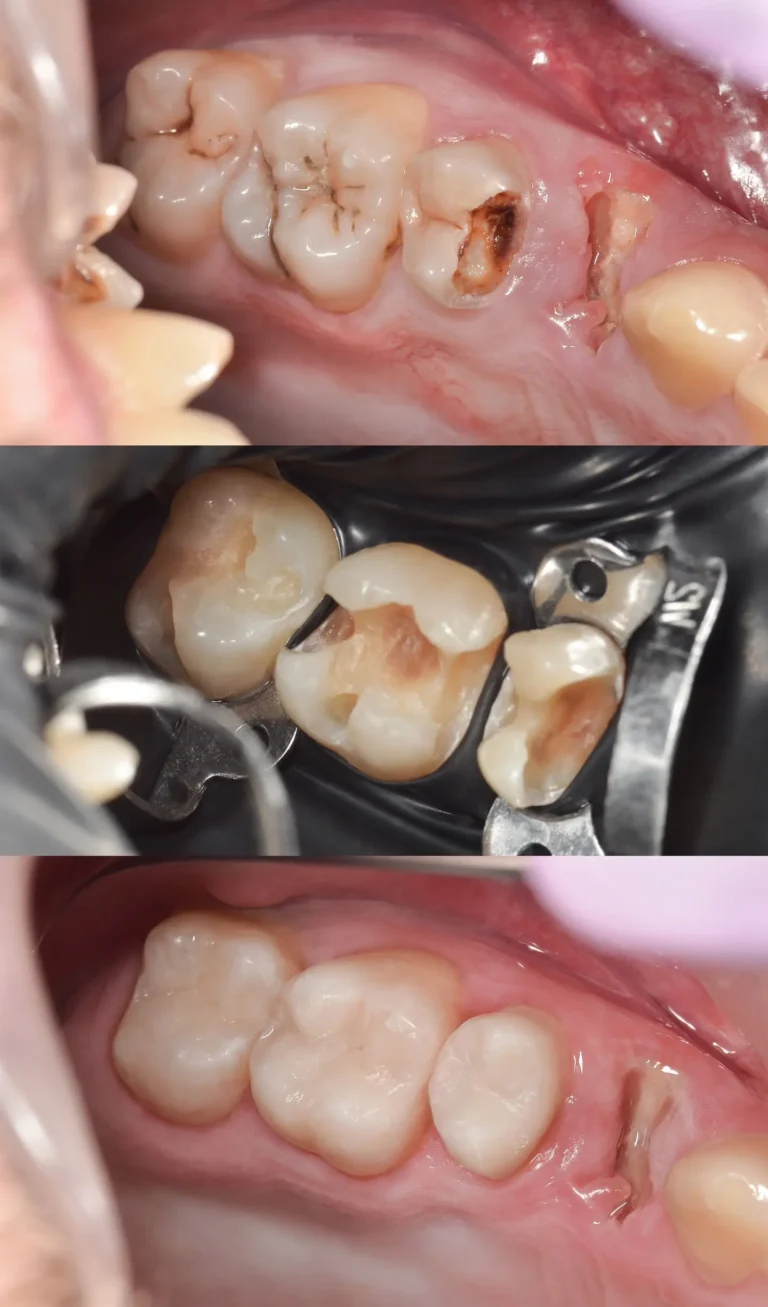
Cervical caries is a carious process affecting a particular area of the tooth above its equator on the vestibular surface. It is easily diagnosed and visible to the patient. It has different depths of development, reaching even vascular dentine, with the risk of complications of infection of the nerve and root canals.
Causes of tooth decay include improper brushing, incorrect selection of home hygiene products (such as a hard toothbrush), complications of hypoplasia spots and enamel necrosis, periodontal pockets, defects in the fit of fillings, and orthopedic crowns.
Symptoms of tooth decay include aesthetic defects on the front surface of the tooth, tooth discoloration, food stuck in the tooth, and tooth sensitivity during eating and brushing.
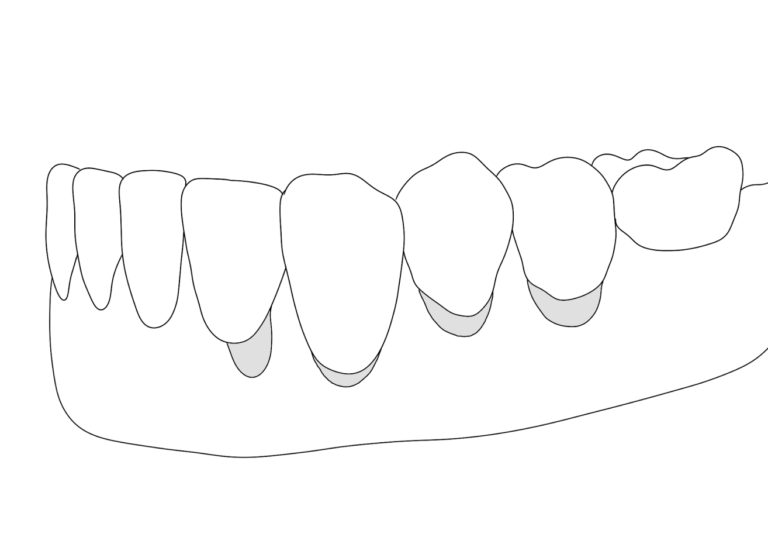
Root surface decay occupies the tooth surface beyond the neck area under the gum, making diagnosing it much more challenging. The radiological image determines the localization of the carious cavity.
Root decay is caused by poor oral hygiene, especially in the interdental spaces; neglected, untreated tooth decay of contact surfaces at an early stage of development; and poor hygiene in deep periodontal pockets, crowns, and bridges.
Symptoms of root surface decay: stuck food that cannot be cured by home care alone, localized gingival inflammation, bad breath, chipping, and mobility of old fillings, and uncementation of dental restorations.


 (761)
(761)

 (1,623)



 Our team
 Reviews
 Blog
Blog News
News Partners
 FAQ
FAQ Vacancies
 Dental Consultation
 Tooth Decay Treatment
 Root canal treatment under a microscope
 Orthodontics
 Dental Implants
 Dental Prosthetics
 Professional Oral Hygiene
 Tooth Filling
 Periodontal disease treatment
 Aesthetic Dental Restoration
 Teeth extraction
 Surgical dentistry
 Sedation dentistry (sleep dentistry)