





Automatically translated by Google

Reviews are sourced from Google. Some reviews may be automatically translated and are displayed without editorial changes.
Automatically translated by Google

Automatically translated by Google

Automatically translated by Google

Automatically translated by Google

Automatically translated by Google

Automatically translated by Google

Automatically translated by Google

Automatically translated by Google

Automatically translated by Google
Deep caries cause maximum damage to all the enamel and dentin layers of the crown or root of the tooth. Its prevalence in the adult population is more than 70%.
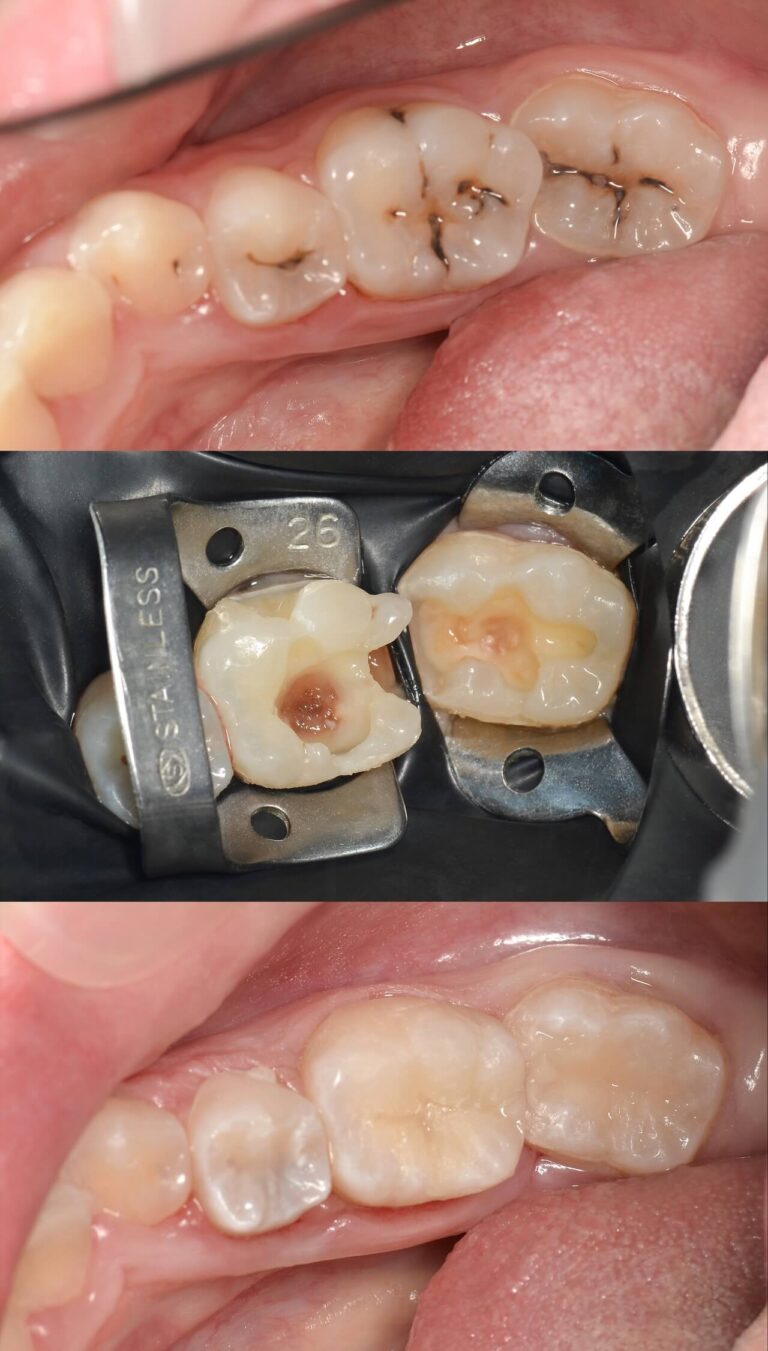
Stages of tooth decay treatment:
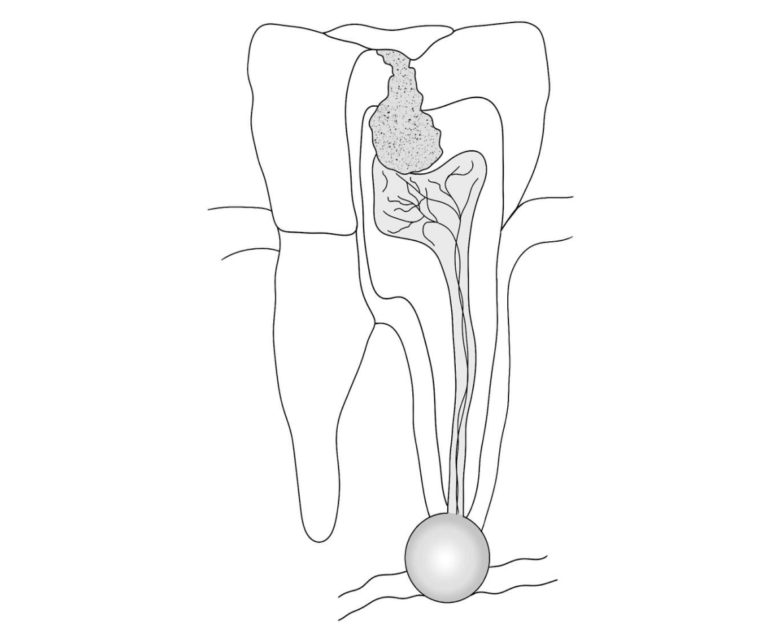
There are acute and chronic course of deep tooth decay.
Acute caries is accompanied by extensive, rapid softening of enamel and dentin (maximum demineralization), large cavities, and a reaction to food intake. It is more common in the deciduous and replacement dentition, in adolescents, and during and after pregnancy. The patient is concerned about food constantly sticking to the tooth, a reaction to sweet, cold, and hot foods, and significant defects in the tooth’s crown.
The chronic process of deep tooth decay may be invisible to the patient, painless; there is stuck food. The affected tissues are quite dense when probing, and the volume of the tooth does not change noticeably. Deep tooth decay is subject to treatment, which saves the tooth from the possible complications of nerve infection. Asymptomatic dynamics after treatment of deep tooth decay is considered a successful solution and guarantees a favorable prognosis.


 (1,328)

 (357)
(357)




 Our team
 Reviews
 Blog
Blog News
News Partners
 FAQ
FAQ Vacancies
 Dental Consultation
 Tooth Decay Treatment
 Root canal treatment under a microscope
 Orthodontics
 Dental Implants
 Dental Prosthetics
 Professional Oral Hygiene
 Tooth Filling
 Periodontal disease treatment
 Aesthetic Dental Restoration
 Teeth extraction
 Surgical dentistry
 Sedation dentistry (sleep dentistry)