




Automatically translated by Google

Reviews are sourced from Google. Some reviews may be automatically translated and are displayed without editorial changes.
Automatically translated by Google

Automatically translated by Google

Automatically translated by Google

Automatically translated by Google

Automatically translated by Google

Automatically translated by Google

Automatically translated by Google

Automatically translated by Google

Automatically translated by Google
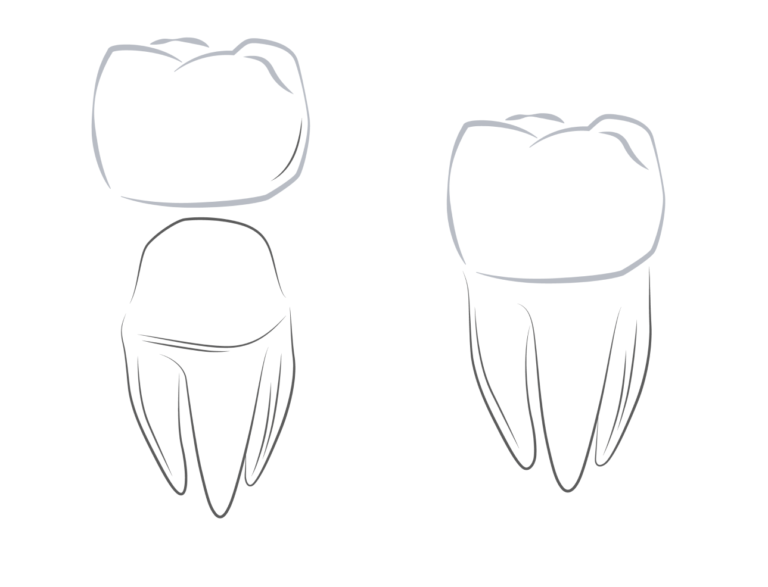
One of the most challenging jobs in the dental practice is the prosthetic restoration with a single crown in the aesthetically visible area.
It is essential that the crown fits perfectly, matching the colour and morphology.
The colour of the teeth plays a special role as it varies in all people and is often not uniform, even in one person.
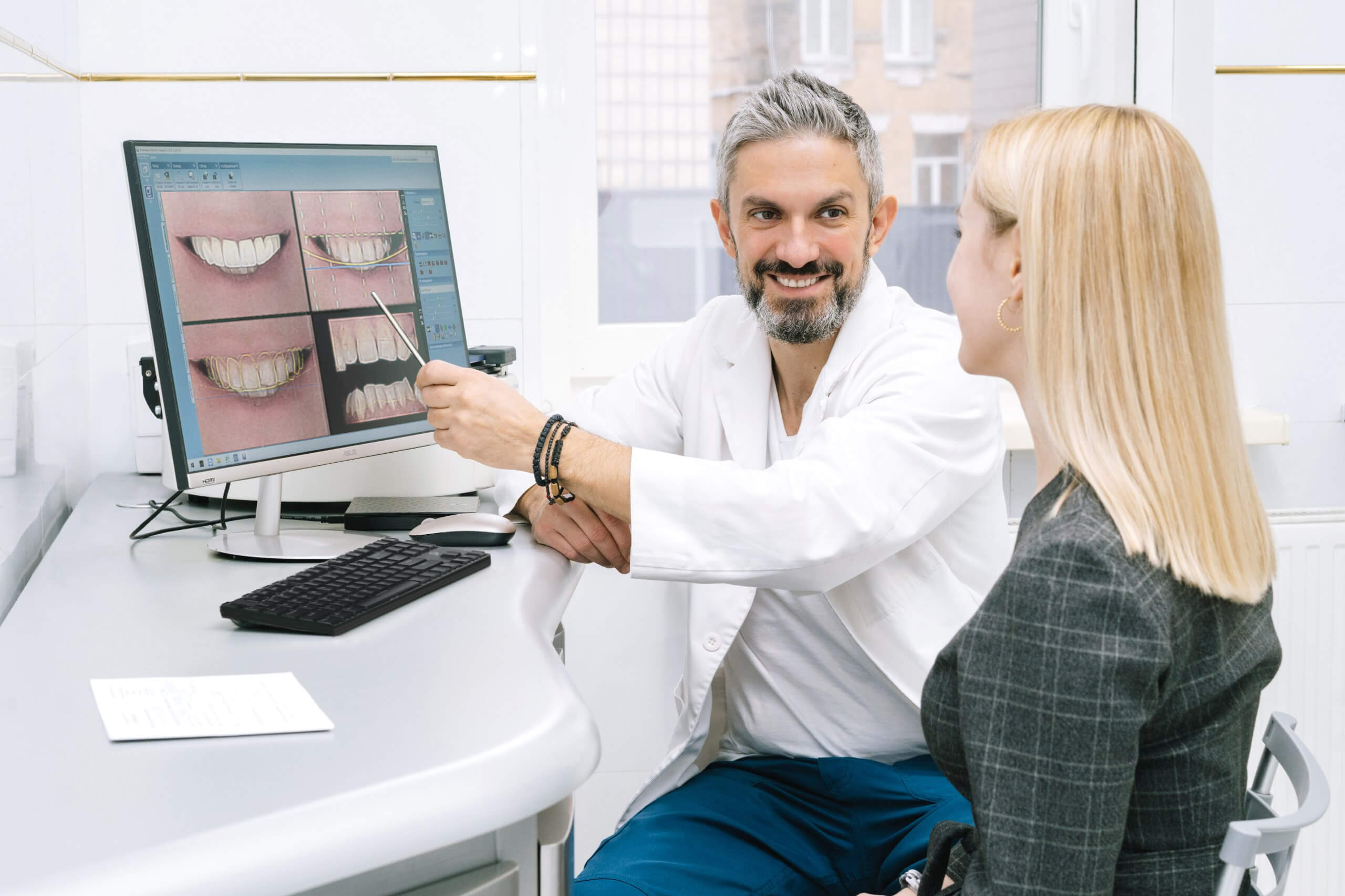
Therefore, the dentist and the laboratory have the primary task of matching the colour of the teeth so that the crown is visually inconspicuous and does not differ from one’s teeth.
There are several methods for determining tooth colour. For the classic method of determining the colour of the teeth, the dentist has developed a colouring scale, which is used to determine the colour of the teeth.
A modern and more accurate method is digital tooth colour determination. For this purpose, special so-called fibre optic devices are used to measure the colour. They emit a particular white light onto the tooth, which is reflected. The reflected light beam can then be digitally analysed.
The advantage of this method is that tooth colour can be determined more quickly and objectively.
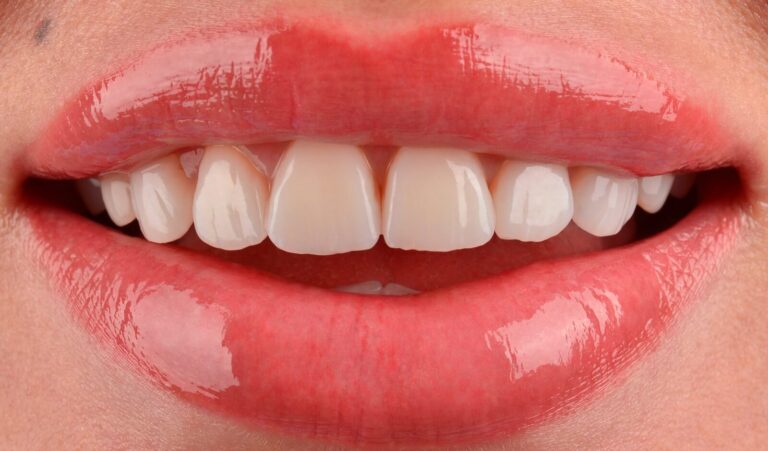
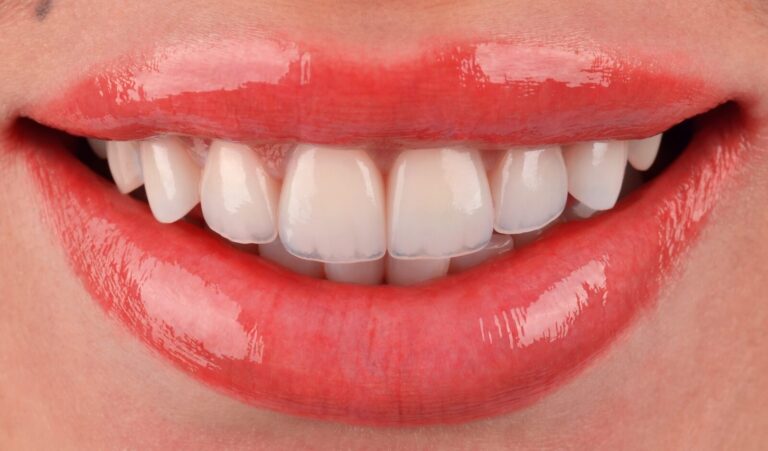
Also, with the help of new software such as “CeraMotion CADback“, dental technicians can quickly and easily develop an individual crown design.
The integrated colour mapping even provides a fully anatomical 3D image with photorealistic tooth colouring.
In our clinic, you will receive a crown that fulfils the most modern aesthetic requirements.


 (517)
(517)
 (693)
(693)

Here the name “temporary” says it all, meaning you can only use it for a short period. It is used until a permanent crown is made. If during this time it comes off (the temporary crown is fixed to the tooth with temporary cement), you will need to contact your dentist for re-cementation. If you cannot get your temporarily installed crown replaced with a permanent one, please note that you should not have it for more than a month. However, this figure can vary. And it all depends on the case. Since the temporary structure cannot correctly perform all tooth functions, it is not worth delaying it by replacing it with a permanent tooth.
Dentures can be fixed, overdenture, and removable. Fixed dentures are always a high-quality, reliable, and durable solution. With such a prosthesis, the patient’s jawbone is preserved, and the prosthesis itself provides excellent stability and makes a patient feel confident. The only drawback is the inability to remove them after the initial installation easily. An overdenture restoration is retained by natural teeth or dental implants and is a good option if a sufficient number of implants for a fixed restoration cannot be placed. If an overdenture is implant-retained, it will also preserve the jaw bone. Such prostheses are removable, easier to repair, and clean professionally. Removable dentures are fitted in cases it is impossible to install fixed or overdenture restorations for various reasons. The advantage of removable dentures is that the patient can remove them without assistance, affordable price, and ease of manufacture.




 Our team
 Reviews
 Blog
Blog News
News Partners
 FAQ
FAQ Vacancies
 Dental Consultation
 Tooth Decay Treatment
 Root canal treatment under a microscope
 Orthodontics
 Dental Implants
 Dental Prosthetics
 Professional Oral Hygiene
 Tooth Filling
 Periodontal disease treatment
 Aesthetic Dental Restoration
 Teeth extraction
 Surgical dentistry
 Sedation dentistry (sleep dentistry)