




Automatically translated by Google
Reviews are sourced from Google. Some reviews may be automatically translated and are displayed without editorial changes.
Automatically translated by Google

Automatically translated by Google

Automatically translated by Google

Automatically translated by Google

Automatically translated by Google

Automatically translated by Google

Automatically translated by Google

Automatically translated by Google

Automatically translated by Google
The primary purpose of non-removable prosthetics is to solve a wide range of problems associated with partially missing teeth in the upper or lower jaw. This method allows restoring the shape and aesthetics of teeth, compensating for missing teeth. The placement of artificial dental structures is required in case a person has the following dental problems:
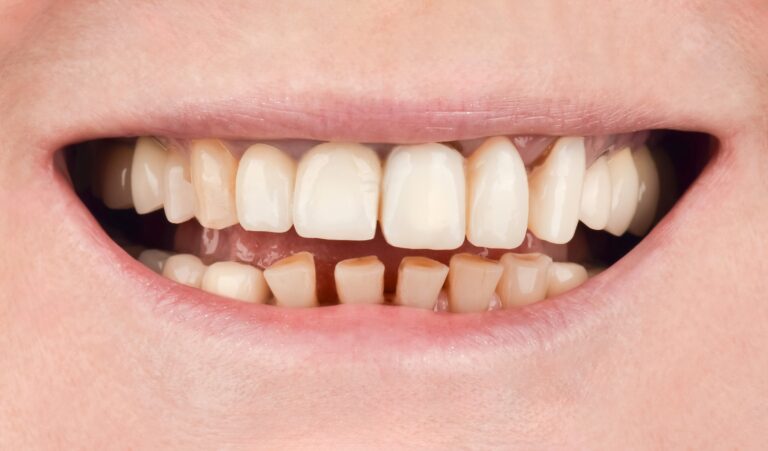
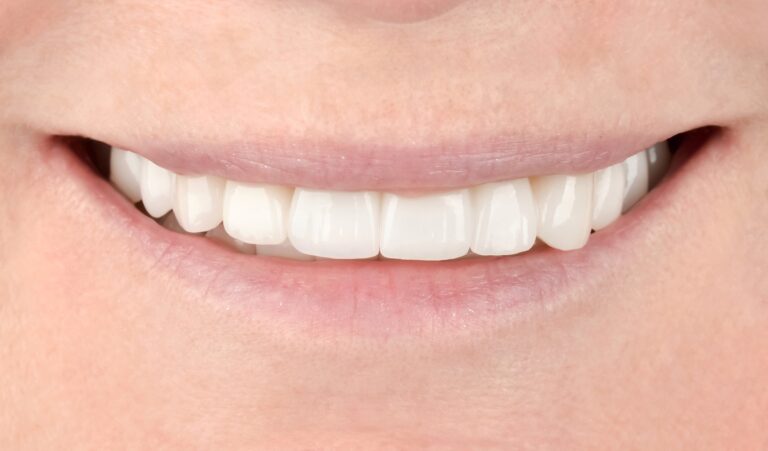
Inlays in prosthetic rehabilitation are used to restore the shape of the tooth.
This type of dental product is regarded as an analog of fillings, but unlike filling material, inlays are made in laboratory conditions from ceramics; they are durable and have high wear resistance.
Stump inlays are an intermediate option between the crown and the filling. This type of dental inlays is used in case of significant destruction of the crown part of the tooth. Stump inlays do not require grinding a tooth to a stump, as with artificial crowns.
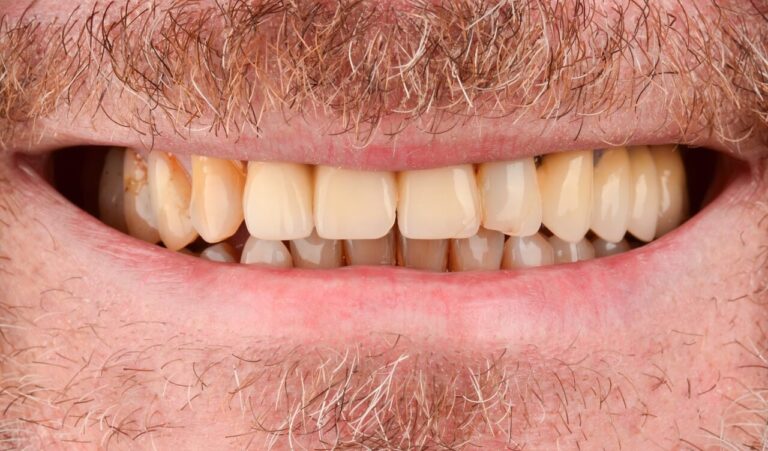
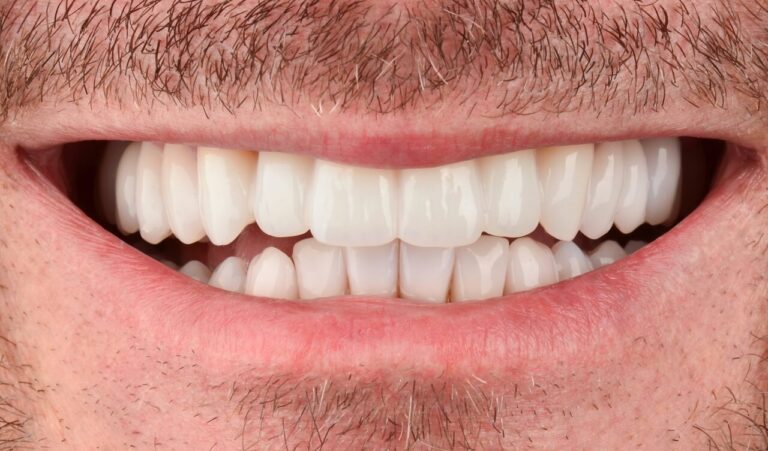
Veneers look like thin plates. This type of prosthesis is used to restore the aesthetic appearance of a smile. The famous Hollywood smile is achieved with the help of veneers. Hypoallergenic materials (composite, ceramics, zirconium dioxide) are used for veneer manufacture.
Veneers and their other type, lumineers, do not treat but radically mask such dental defects as a trema, diastema, cracks, chips, staining, and discoloration of tooth enamel. Veneers are a complete alternative to teeth whitening and in some cases can also replace braces.
After placing veneers or lumineers, it is necessary to follow particular service rules since chewing coarse food, and frequent coffee drinking and smoking can damage them. The smile zone with veneers or lumineers has no flaws in terms of both shape and color.


This type of prosthesis is used to restore decayed teeth, or rather, their crown part.
The crowns are mainly indicated when the outer part of the tooth is destroyed by more than 50%.
They are made from zirconium dioxide, porcelain-fused metal, and ceramics. Porcelain-fused metal is more often used for grinding units, as it is more durable.
Ceramic micro-prosthetic restorations are suitable for a smile zone, as they have better aesthetic properties.
Zirconia crowns can be placed in any part of the dental arch.


 (540)
(540)
 (571)
(571)
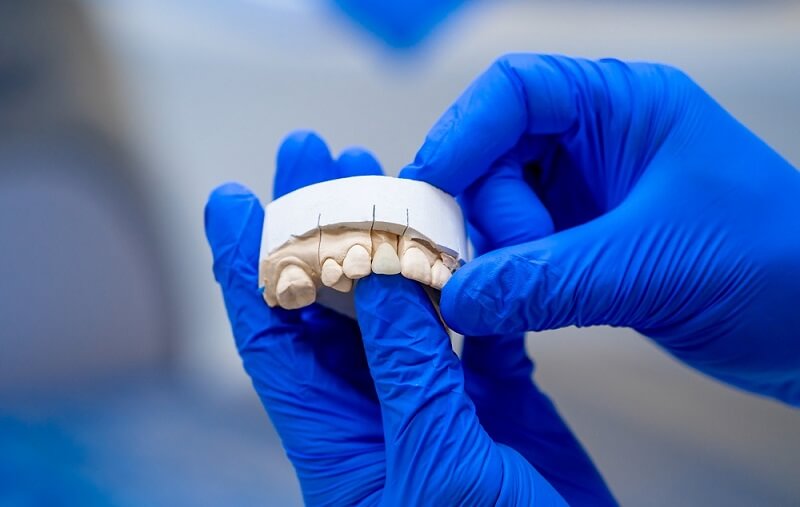
Dentures can be fixed, overdenture, and removable. Fixed dentures are always a high-quality, reliable, and durable solution. With such a prosthesis, the patient’s jawbone is preserved, and the prosthesis itself provides excellent stability and makes a patient feel confident. The only drawback is the inability to remove them after the initial installation easily. An overdenture restoration is retained by natural teeth or dental implants and is a good option if a sufficient number of implants for a fixed restoration cannot be placed. If an overdenture is implant-retained, it will also preserve the jaw bone. Such prostheses are removable, easier to repair, and clean professionally. Removable dentures are fitted in cases it is impossible to install fixed or overdenture restorations for various reasons. The advantage of removable dentures is that the patient can remove them without assistance, affordable price, and ease of manufacture.
The service life of removable dentures depends on the type of denture, the materials used, the quality of care and the patient’s characteristics. On average, dentures last 5-7 years. The main reasons why they need to be replaced are as follows:




 Our team
 Reviews
 Blog
Blog News
News Partners
 FAQ
FAQ Vacancies
 Dental Consultation
 Tooth Decay Treatment
 Root canal treatment under a microscope
 Orthodontics
 Dental Implants
 Dental Prosthetics
 Professional Oral Hygiene
 Tooth Filling
 Periodontal disease treatment
 Aesthetic Dental Restoration
 Teeth extraction
 Surgical dentistry
 Sedation dentistry (sleep dentistry)