


Maxilla-For-All Tooth Restoration

Maxilla-For-All Tooth Restoration
Complete restoration of the upper jaw in 3 days is possible, even with severe bone atrophy, when other implant methods are unavailable. The Maxilla-For-All protocol is used as part of comprehensive implant services when a non-standard but predictable approach to patient rehabilitation is required.
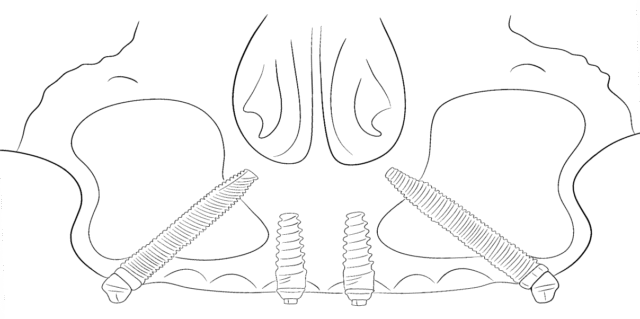
What is Maxilla-For-All?
Maxilla-For-All is a combined protocol that uses special implants: zygomatic (Zygoma), pterygoid (Pterygo), and nasal (Nasal). The essence of the method is that the implants are fixed not in the atrophied alveolar bone, but in the dense areas of the upper jaw — the zygomatic bone and the nasal cavity. These areas do not resorb even after many years of tooth loss, making them a reliable support for the prosthesis.
If classic dental implant surgery is impossible without lengthy bone augmentation, Maxilla-For-All allows you to get a fixed prosthesis almost immediately — on the third day after the surgery.
Who does this method work for?
The Maxilla-For-All method is recommended for patients with the following issues:
- extreme atrophy of the upper jaw, when there is practically no bone left;
- inability or unwillingness to undergo sinus lifting and wait several months for the bone material to heal;
- long-term use of removable dentures, which accelerated bone loss;
- desire to get teeth quickly using the immediate loading protocol.
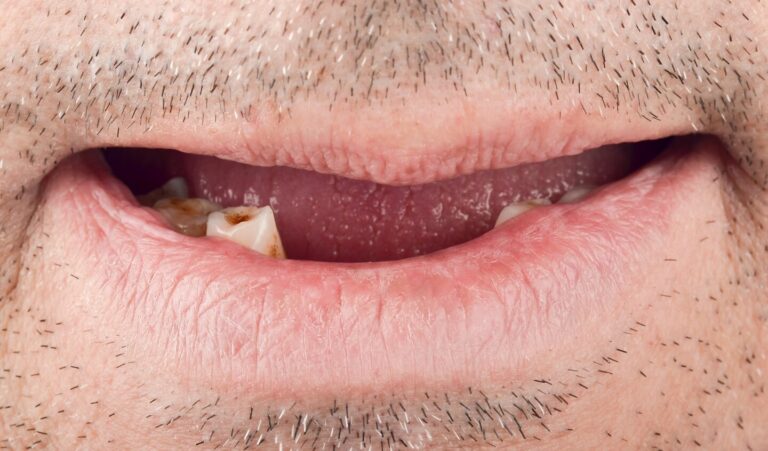
The method is especially relevant for older adults and those who have lost their teeth for an extended period and are experiencing significant bone resorption.
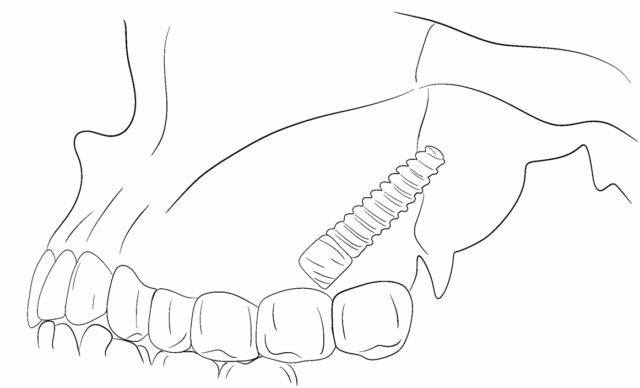
What does the system consist of?
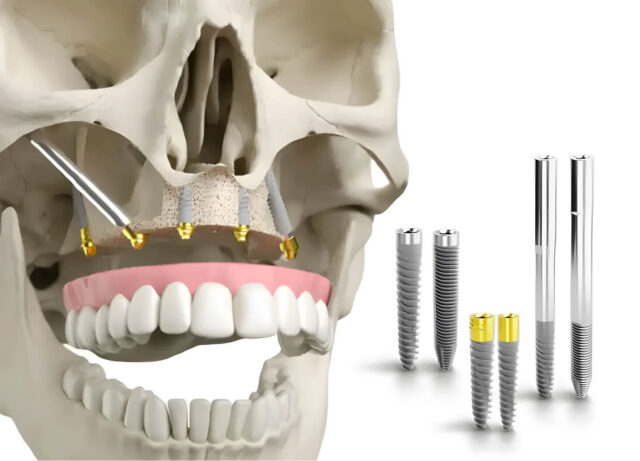
The Maxilla-For-All protocol uses three types of implants, each of which performs its own function:
- Zygoma implants are longer, ranging from 30 to 60 mm, and pass through the maxillary sinus and are fixed in the zygomatic bone. The zygoma is one of the densest bones in the skull and is not prone to atrophy. These implants hold the lateral sections of the prosthesis.
- Pterygoid implants are placed in the pterygoid process of the sphenoid bone, which is located behind the upper molars. This area also remains dense regardless of the jawbone’s condition. Pterygoid implants provide stability to the denture in the distal areas.
- Nasal implants are attached to the dense bone near the nasal cavity and are responsible for supporting the front teeth. Thanks to them, the prosthesis is supported in the frontal area of the smile.
Depending on the clinical situation, the doctor combines these implant types to create an individualized design.
Advantages over bone grafting
- Speed of treatment: prosthesis in 3 days instead of waiting 12-18 months with the classic approach with sinus lifting.
- One surgery: instead of two or three surgical procedures — bone augmentation, implantation, and possible adjustments.
- Reliable fixing: implants are fixed in the dense bone of the upper jaw, which does not atrophy with age.
- No risk of rejection: the patient’s own bone is used rather than grafted bone material.
For those considering alternative methods, All-on-4 or All-on-6 dental prosthetics are worth considering. However, these protocols require a minimum amount of bone in the front of the jaw, whereas Maxilla-For-All works even when there is none.
Stages of treatment
- Diagnosis and planning. A CT scan is required to assess the condition of the bone structures. Based on the images, a 3D model of the patient’s skull is created, and the doctor plans the implant positions. A surgical template is often made — this is a customised design that allows the implants to be placed at the exact planned angle.
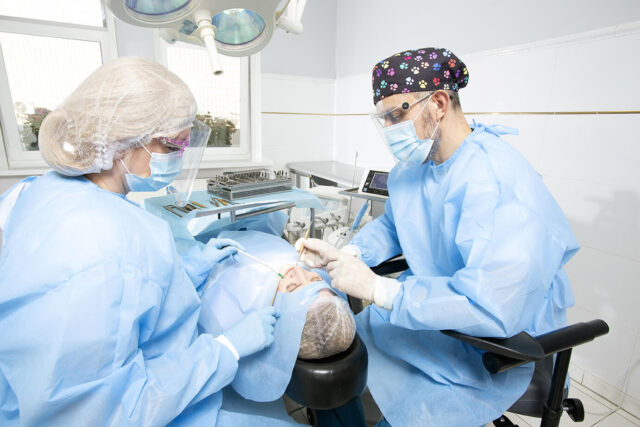
- Surgical stage. The surgery is performed under sedation — the patient is asleep and feels nothing. The surgeon places the zygomatic, pterygoid, and nasal implants according to the plan. The procedure usually takes 2-4 hours, depending on the complexity of the case.
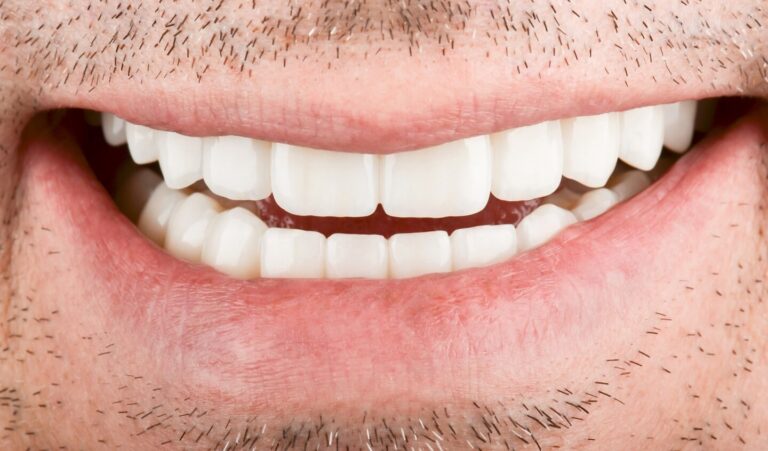
- Prosthetics. On the third day after surgery, impressions are taken, and the patient receives a non-removable temporary prosthesis.
- Final prosthetics. After 6-12 months, when complete osseointegration of the implants and stabilisation of the soft tissues have occurred, the temporary prosthesis is replaced with a permanent one.


Reviews


FAQ
How does Maxilla-For-All differ from All-on-4?
All-on-4 requires at least a minimum amount of bone in the front of the jaw to place two front implants. Maxilla-For-All works even in the complete absence of bone.
How long do these implants last?
Cheekbone implants can last a lifetime because the cheekbone does not resorb. The prosthesis attached to them may need to be replaced in 10-15 years due to natural wear and tear, but the implants themselves remain in place.
Could it damage the eyes or the nasal cavity?
No. The placement of cheek implants requires a highly skilled surgeon; with proper planning and 3D navigation, the procedure carries no risk.
Does it hurt?
No, the surgery is performed under sedation.

 Out team
 Reviews
 Blog
Blog News
News Price list
 Partners
 FAQ
FAQ Vacancies
 Dental Consultation
 Tooth Decay Treatment
 Root canal treatment (endodontics)
 Orthodontics
 Dental implantation
 Dental prosthetics
 Professional oral hygiene
 Tooth Filling
 Periodontal disease treatment
 Teeth restoration
 Teeth extraction
 Surgical dentistry
 Sedation dentistry (sleep dentistry)