


Wisdom Tooth Extraction

Price of Wisdom Tooth Extraction
Services
Cost
Tooth extraction
2 000 UAH
Atypical tooth extraction
8 000 UAH
What Is a Wisdom Tooth, and Where Is It Located?
In dental vocabulary, a wisdom tooth is called a third molar. It is the most distal molar in the oral cavity. Typically, the third molar is formed in each of the two sides of a person’s upper and lower jaw before birth. This means each person should have four wisdom teeth, with 32 teeth in the human jaw. However, many people have wisdom teeth that have either not yet erupted or have already been extracted.

When Do Wisdom Teeth Erupt?
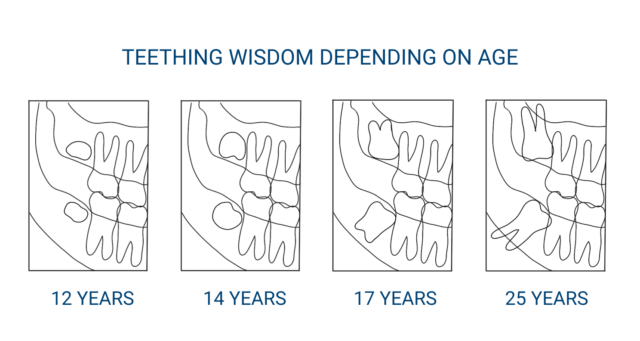
The change from baby to permanent teeth is completed when the second molars erupt. This usually happens around the age of 12 years. Retained wisdom teeth typically appear between the ages of 18 and 25. However, it is common for third molars to erupt much later. According to the Guinness World Records, the oldest person to have an erupted wisdom tooth was 94 years old. Some people have third molars that remain hidden under the gums all their lives. Also, not every person has four wisdom teeth. Sometimes, there are only three, two, or one instead of four molars.
Why Is The Third Molar Called a Wisdom Tooth?
“Wisdom teeth” (Latin dens sapiens) are late in development, so to speak – that’s why they are also called “Dens serotinus”, meaning ” latecomers.
By the way, the name of the third molars also depends on the cultural environment. Koreans call third molars “love teeth” because the typical time of their eruption is during the period of first love. In Japanese, the term used is “unknown to parents” because most young people have already left home by the time the wisdom teeth erupt.
Wisdom Tooth Extraction: Yes or No?
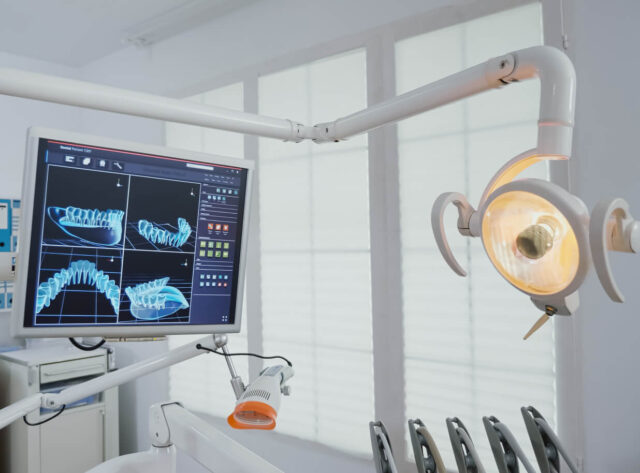
Today, quite a few people have their wisdom teeth extracted, even if there are no noticeable problems apart from teething pain. In many Western countries, this practice is known as preventive surgery.
Patients often encounter the following arguments from the dentist treating them:
- third molars may interfere with the normal alignment of the jaws;
- misalignment of third molars can cause temporomandibular joint disorders and dental crowding, abscess, and cavities;
- in some cases, wisdom teeth can directly or indirectly cause cysts, tumors, nerve damage, and periodontal disease.
How Do You Know If Your Wisdom Teeth Are Erupting?
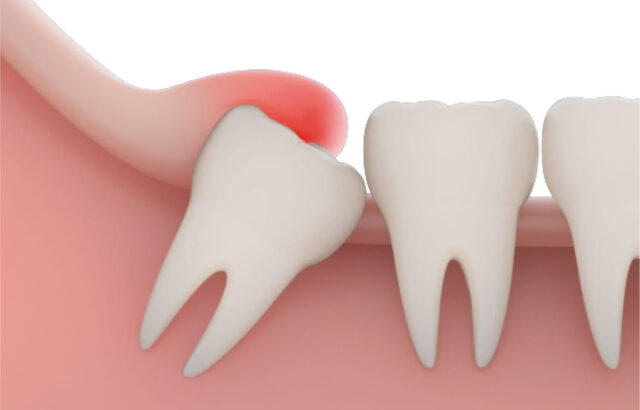
If your wisdom teeth are erupting, it can be very painful. Patients usually feel the pain in the corner of the lower jaw. This area may look sore, red, or inflamed. Essentially, you may look out for the following signs or symptoms:
- red and swollen gums;
- pain in the jaw;
- swelling;
- bad breath;
- unpleasant taste in the mouth;
- difficulty opening the mouth.

What Role Does Nutrition Play After Wisdom Tooth Extraction?
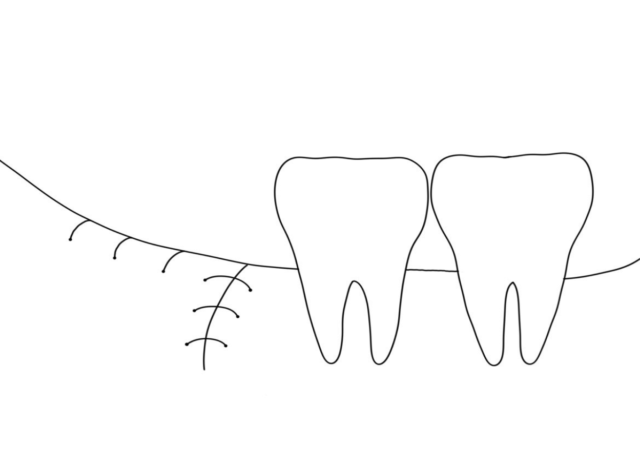
When a wisdom tooth is extracted, a wound forms in the jaw’s bone. This damaged bone tissue needs to be repaired. As with any other surgical procedure, the body requires a lot of energy and resources to recover. Young adults are the patient group in which wisdom teeth extraction occurs more frequently. At this age, they pay less attention to proper nutrition and focus more on fast foods such as pizza, French fries, alcohol, cigarettes, etc. However, adequate nutrition is crucial to a smooth recovery after wisdom tooth extraction.
What To Eat After Extraction
Soft food: try to choose soft food such as mashed potatoes, stewed vegetables, soups, and smoothies for the first few days to avoid stressing and damaging the extraction site.
Stay hydrated: Regularly drink water, tea, or other unsweetened non-alcoholic beverages to prevent dehydration. Avoid using straws, as sucking can dislodge the blood clot at the extraction site.
Avoid certain foods: Initially, avoid spicy and hot foods, as well as foods like seeds and nuts. They can irritate the wound or get stuck.
Foods rich in vitamins and minerals: When choosing foods, look for those rich in essential vitamins and minerals that promote recovery.
Avoid sugary and acidic foods: These can encourage bacterial growth and potentially lead to infections.


Book online
This service is provided by doctor

Others doctors


Reviews


FAQ
How long does the pain last after a tooth extraction?
Pain duration depends on the wound’s size, individual sensitivity, and the healing process. It usually decreases after 2-3 days. However, if the wound is not healing correctly or the wound surface is large, pain may persist for over a week.
How long do I have to wait after a tooth extraction to place implants?
Implants can be placed immediately after tooth extraction. If the socket after extraction is infected, we wait about 2 weeks and do the so-called early delayed implantation. When bone grafting is necessary, implantation is carried out 4 months after the extraction.
What can I eat after a tooth extraction?
After a tooth extraction, the socket should not be traumatised for a few days. Therefore, it is necessary to avoid eating hard foods. Soups and soft foods are best at this time. Milk, yoghurt, cottage cheese, etc., are not recommended for the first three days, nor should you eat foods that crumble and may remain in the extraction site, thus infecting it.
Share:
✅ Link copied

 Out team
 Reviews
 Blog
Blog News
News Price list
 Partners
 FAQ
FAQ Vacancies
 Dental Consultation
 Tooth Decay Treatment
 Root canal treatment (endodontics)
 Orthodontics
 Dental implantation
 Dental prosthetics
 Professional oral hygiene
 Tooth Filling
 Periodontal disease treatment
 Teeth restoration
 Teeth extraction
 Surgical dentistry
 Sedation dentistry (sleep dentistry)