


 (120)
(120)
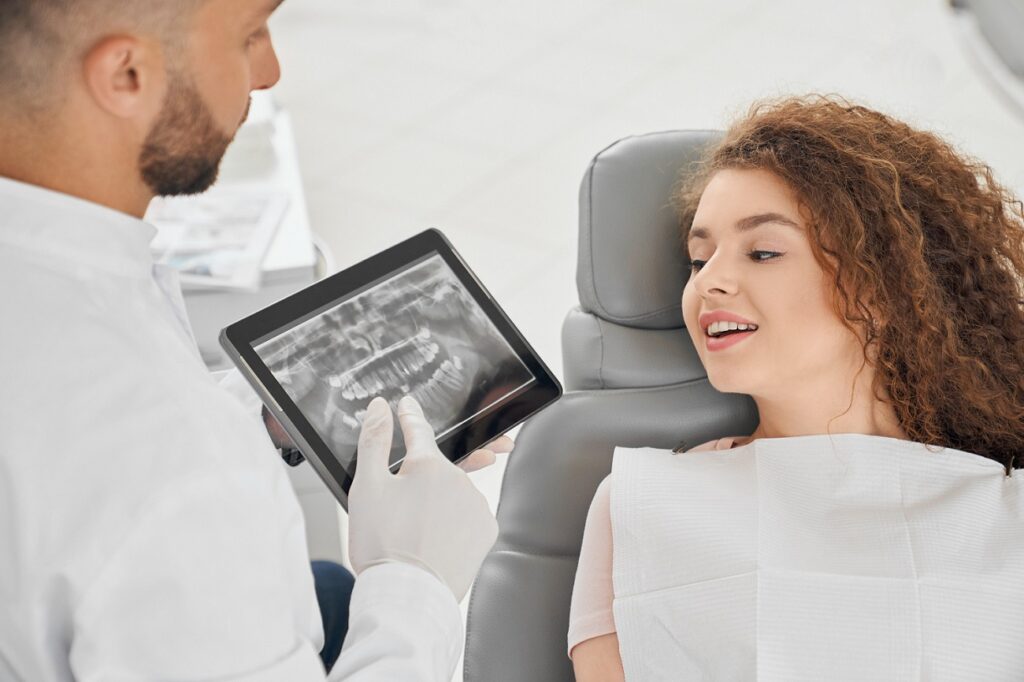

Thanks to dental implant surgery, millions of people can restore missing teeth and get a beautiful smile. The procedure produces predictable results when properly planned and protocols for placing titanium implants are followed. However, dentists cannot guarantee a 100% success rate.
For various reasons, 1.5-3% of patients experience problems and complications that require conservative treatment or even dental implant replacement. This article explains why this happens and how to reduce the risks of the procedure.

Causes of unsuccessful dental implant surgery
Many patients worry about rejection and other problems with dental implants when faced with the choice of removable dentures or dental implant surgery. Treatment failure can be related to individual body characteristics, medical errors, or violation of the rules of the postoperative period. Knowing the main causes of complications allows you to improve the implant procedure and minimise the risks.
Errors in treatment planning
A comprehensive diagnosis of the dento-mandibular system and developing an individualised surgical plan are mandatory components of successful implant surgery. At the preparatory stage, the doctor must assess the volume and structure of bone tissue, periodontal condition, bite characteristics, and general health indicators of the patient.
If the dentist is inattentive or insufficiently qualified, the following errors may occur:
- incorrect choice of the size and design of the titanium implant;
- incorrect positioning of the implant in the jawbone;
- attempting to place an implant with little bone volume;
- implant surgery with poor oral hygiene or untreated dental disease;
- avoiding consultation with an orthopaedic dentist to select the best implant prosthesis;
- ignoring associated diseases (diabetes mellitus, osteoporosis) that affect treatment results.
Thus, the first step to successful dental implant surgery is to choose a qualified dentist. An experienced dental implant surgeon is meticulous in planning and uses modern technology.
At the KES Clinic, a CT scan for 3D diagnosis of the jaw bones is performed, navigation surgery methods are used, and special templates are used to place implants with extreme precision.
Insufficient bone volume
The implant is located inside the jawbone, and there must be at least 2 mm of dense and healthy bone around it on all sides. This is the only way to achieve the product’s primary stability and to create conditions for its successful engraftment (osseointegration).
If an artificial tooth root is inserted into thin and fragile bone, the risk of complications increases significantly. In addition to the implant’s loosening and loss, the patient may experience damage to the trigeminal nerve, maxillary sinus, vessels, and other anatomical structures in the maxillofacial region.
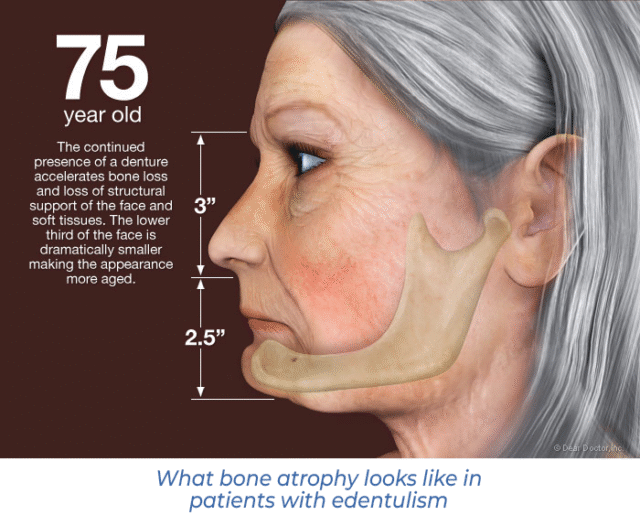
The main reason for the lack of bone volume is atrophy from the prolonged absence of teeth. If a person does not go to the dentist immediately after losing a tooth, the bone does not receive the chewing load, distorting its blood supply and nutrition. The processes of tissue destruction begin to prevail over the formation of new bone, and the jaw gradually thins. This is why, immediately after tooth extraction, patients are recommended to see a dentist who places implants and are advised to contact the doctor to discuss options for smile reconstruction.
Lack of osseointegration
Typically, dental implants take 4-6 months to engraft. During this time, the titanium surface grows strong bone tissue and becomes one with it. This makes it possible to fix an artificial crown or a full jaw prosthesis securely. If the process of osseointegration is disturbed, the dental implant begins to loosen, cannot withstand chewing loads and may even fall out.
The leading causes of this complication are:
- infection and inflammation of the tissues around the dental implant (peri-implantitis);
- poor oral hygiene, plaque and bacteria accumulation in the area where the titanium implant is placed;
- insufficient volume and low bone density;
- allergic reaction to the materials of the implant system;
- overheating of the bone during implant placement;
- too early and high loading of the artificial root when using the single-stage implant protocol;
- concomitant endocrine or autoimmune diseases in the patient.
Medical complications after implants
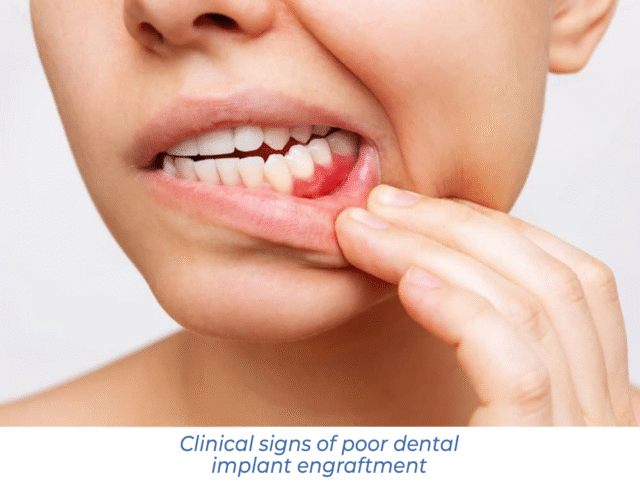
Undesirable reactions to implant placement can be divided into two groups: early and late. The first ones occur within 7-14 days after surgery. They are mainly due to medical errors or the patient’s unwillingness to follow the postoperative recommendations of the dentist. The following symptoms manifest early complications of dental implant surgery:
- intense pain and swelling that persist for a long time;
- bleeding from the wound in the gum;
- redness and swelling of the soft tissues around the implant;
- bad breath and pus discharge, indicating bacterial infection;
- increased body temperature and general malaise, which may indicate a severe postoperative infection;
- numbness of the jaw, which indicates damage to nerve fibres during surgery;
- Cheek pain and nasal congestion, which is characteristic of post-implant maxillary sinusitis.
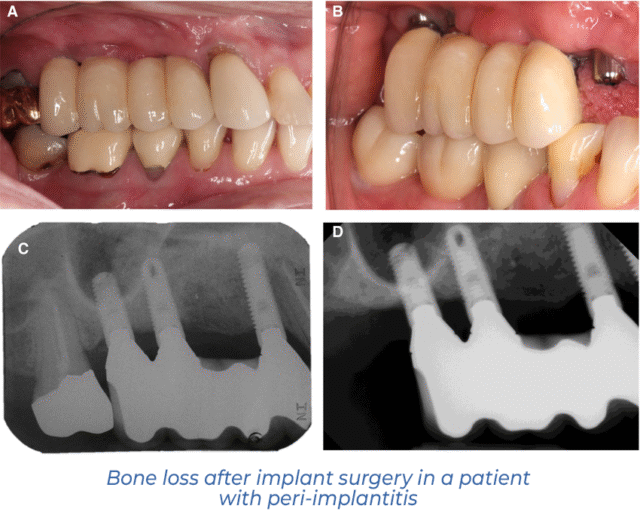
The second group is late complications, which can occur several months or even several years after implant treatment. The most common problems are chronic peri-implantitis, gingival recession and abutment exposure, and rejection of the titanium implant.
Occasionally, the product fails mechanically due to excessive chewing loads or jaw trauma. In addition, with an incorrectly fitted prosthesis, the patient has problems with tooth clamping, various types of bite disorders, and TMJ dysfunction.
Behavioural causes of failure
Problems with dental implants can occur due to the patient’s failure to follow the rules of the rehabilitation period. Unfortunately, such situations are not uncommon in dental practice. They occur in cases of low motivation, character traits (inattention, forgetfulness), heavy workload, and unwillingness to change established habits, even for a short time.
Some people believe the restrictions after implantation are excessive and only necessary for reassurance, so they do not want to follow them.
Reasons for unsuccessful implant ігкпукн can be:
- poor home oral hygiene;
- skipping antibiotics and other medications prescribed by the doctor;
- traumatising the wound with the tongue, toothbrush or fingers;
- eating too hard, sour, hot food that irritates the mucous membrane of the oral cavity;
- bad habits such as smoking and alcohol consumption;
- habit of biting nails, pencils and other hard objects, which increases the risk of implant displacement;
- excessive consumption of simple carbohydrates, which are a breeding ground for bacteria;
- an unbalanced diet low in vitamins, calcium and phosphorus.
Another dangerous situation is skipping follow-up visits to the doctor. If the patient ‘disappears’ for several months after surgery, the dentist cannot monitor the success of osseointegration, detect complications in time and carry out treatment.
What to do if the implant has not taken root?
Failure of implant treatment is an unpleasant situation, but not a reason to refuse this method of restoring your smile. If you experience any suspicious symptoms, you should immediately contact the doctor who performed the surgery. The earlier you come for a medical appointment with a dentist, the higher the chances of preserving the dental implant.
The specialist will make a diagnosis and offer two options for the development of events:
- at the initial stage of complications, conservative treatment will be required, which helps to cope with inflammation and save the implant;
- in more serious complications, removal of the dental implant, removal of the cause of the problem and re-implantation is indicated.
Any treatment failures that occurred through no fault of the patient are considered a warranty case. Therefore, the replacement of the dental system that did not take root is free of charge at the clinic’s expense.
In KES Clinic, the implant guarantee is valid for life, and all conditions are detailed in the contract. This allows you to feel confident and avoid unforeseen money expenses. For the doctors of the Clinic of Aesthetic Dentistry in Kyiv, the health and well-being of patients are always in the first place.



 Out team
 Reviews
 Blog
Blog News
News Price list
 Partners
 FAQ
FAQ Vacancies
 Dental Consultation
 Tooth Decay Treatment
 Root canal treatment (endodontics)
 Orthodontics
 Dental implantation
 Dental prosthetics
 Professional oral hygiene
 Tooth Filling
 Periodontal disease treatment
 Teeth restoration
 Teeth extraction
 Surgical dentistry
 Sedation dentistry (sleep dentistry)