



Tooth Filling

Price of tooth filling
What is dental filling?
Dental filling is a dental procedure aimed at restoring the shape, function and integrity of a tooth damaged by caries or other diseases. Dental fillings can prevent tooth decay, complications, and further damage to the tooth and maintain oral health.
The first recorded use of fillings was found in Chinese, Egyptian, and Greek cultures around 700 AD, where silver paste was used to fill teeth.In the early 1800s, dental chairs and drill machines appeared, and the formulations of filling materials improved.
The era of amalgam fillings was worthily replaced by composites, polymers based on resin, and inorganic fillers. The new advantages of the composite materials are high aesthetics, strong chemical bonding with the tooth surface, versatility in indications for the restoration of tooth volume, biocompatibility with enamel and dentin, minimal shrinkage, and high tightness.
Types of fillings
Indications for tooth filling:
– tooth decay and non-carious lesions of enamel and dentin (hypoplasia, necrosis, erasure, wedge-shaped defect);
– traumatic chipping;
– congenital defects in the shape and development of the hard tissues of the tooth;
– discoloration.
There are several types of fillings:
- Temporary fillings are used to protect a tooth for a short period of time during treatment or diagnosis. They are less durable and require adherence to recommendations, particularly nutrition, to prevent them from crumbling.
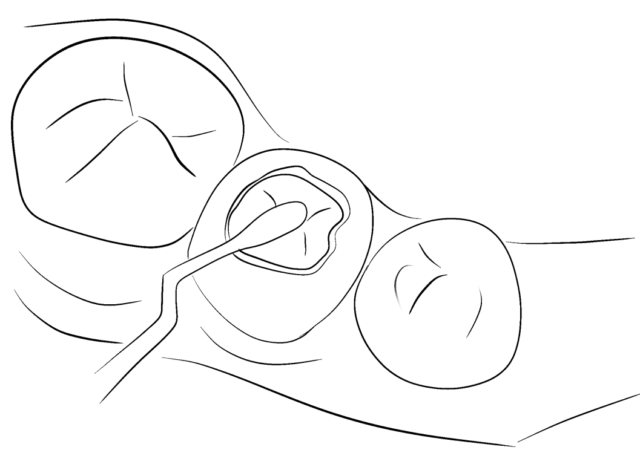
- Permanent fillings – performed after treatment of tooth decay or other lesions on the tooth.
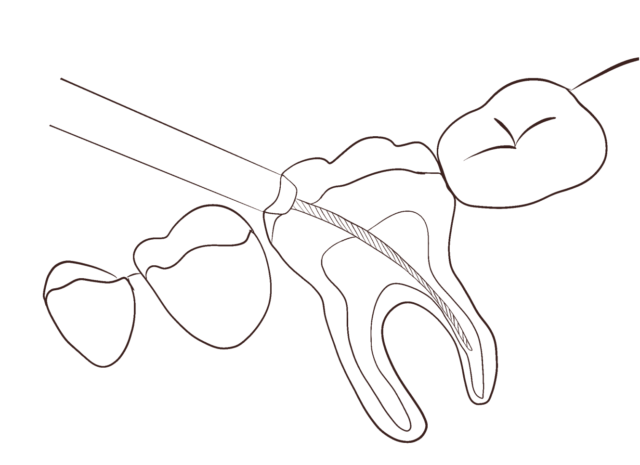
- Root canal filling – the filling and sealing root canals to preserve a tooth, such as after pulpitis treatment.
The lifespan of dental fillings
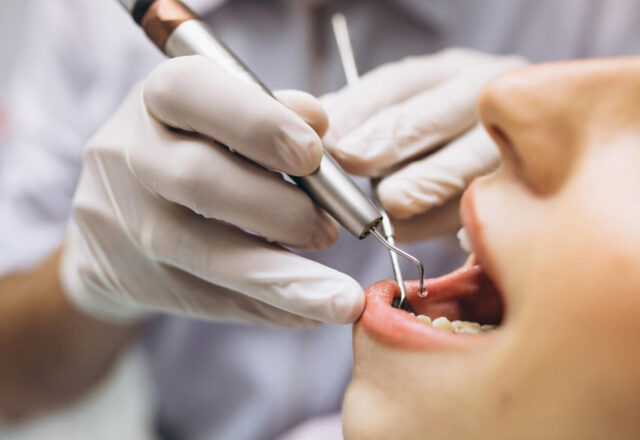
The lifespan of a filling depends on the material and care. Modern composite materials allow for a high level of aesthetics and durability. Shrinkage of the composite after curing is minimised, which increases the lifespan of the filling and reduces the risk of secondary decay.
Advantages of filling in our clinic
There are several key advantages to having your teeth filled at our clinic:
- fast and painless restoration in one visit;
- minimal intervention, no unnecessary preparation of the tooth;
- aesthetics, high adhesion to the tooth tissue;
- durability, hypoallergenic, and safe.
The latest generations of photopolymers offer a wide range of shades, transparency, and fillings of the composite to recreate the most identical to the natural tooth crown shade.
Cost of installing dental fillings
The cost of the filling depends on the volume of the dental tissue defect, i.e., the amount of surface that is restored and the depth of tooth decay (deep, medium, or superficial).
It is necessary to consider using enamel and dentin shades of composite regarding tooth defects to obtain an aesthetic result while maintaining equal chewing load distribution based on the tooth’s anatomical shape.

Our specialists
Our specialists have many years of experience in tooth filling and caries treatment. Modern methods and technologies allow us to provide patients with high-quality dental services. Our dentists also specialize in treatment using the microscope.



Reviews


FAQ
Will the new filling look natural and invisible?
Today, we use the latest generation of photopolymers and their bonding agents, which allow us to obtain the best possible aesthetic result. The colour range of composite materials allows the doctor and the patient to select and approve a suitable tooth shade, which is especially important when restoring the front group of teeth. Before starting the restoration, the doctor also considers the selection of the material depending on the tooth group, the defect’s depth, and the tooth crown’s lost volume. The combination of dentin, enamel, and transparent composite masses makes it possible to repeat the lost tooth surface structure as identically as possible, restore the elasticity of dentin, and give the enamel its natural colour, which is identical to the rest of the teeth. We individually select composites for filling teeth after whitening, as well as with extracted nerves when dental tissues have a stably changed primary shade.
How to Take Care of Your Dental Restorations (Fillings)?
After the oral cavity treatment, the dentist will give recommendations for home care, which are not very different from those for untreated teeth or after professional hygiene in the dentist’s office.
The complex of daily care includes cleaning plaque with a toothbrush and toothpaste, flossing, interdental rinses or an irrigator for the interdental space, and finishing the care with a rinse.
It is worth emphasizing the use of polishing toothpaste after restoring a group of teeth, especially the anterior teeth, to prolong the shine of the filling surface. It is also recommended that the patient undergo regular preventive check-ups with repeated restoration polishing in the doctor’s office, and the patient’s compliance with the home care rules should be monitored.
Dental Filling Aftercare
Often, a patient may come to you with food sticking problems after you or another doctor’s treatment. First, the dentist checks how easy it is to pass the interdental spaces with a floss. The contact surfaces should be diagnosed if the floss is torn or difficult to pass between the teeth. It is necessary to assess the fit of the filling to the tooth, the absence of overhanging edges, and the quality of polishing, which can cause incorrect contact. If the doctor has found a wide gap between the surfaces of the teeth, and at the same time, the dental floss can easily pass the contact, it is necessary to correct the lateral surfaces according to the anatomy of these teeth. At the end of the procedure, check whether the contact is tight visually and by flossing, and give recommendations for home hygiene.

 Out team
 Reviews
 Blog
Blog News
News Price list
 Partners
 FAQ
FAQ Vacancies
 Dental Consultation
 Tooth Decay Treatment
 Root canal treatment (endodontics)
 Orthodontics
 Dental implantation
 Dental prosthetics
 Professional oral hygiene
 Tooth Filling
 Periodontal disease treatment
 Teeth restoration
 Teeth extraction
 Surgical dentistry
 Sedation dentistry (sleep dentistry)