



Photopolymer Filling

Cost of treatment
Photopolymer Filling
A photopolymer filling on anterior teeth is a direct aesthetic (artistic) restoration made of composite material, which can be performed in one visit. Indications for this restoration are cracked or chipped teeth, interdental spaces, discoloration, tooth erosion, tooth defects due to tooth shape and size, darkening of tooth tissue, and trauma.
Advantages of a photopolymer filling
The advantage of photopolymer restoration of anterior teeth is the short production time (one visit) with the help of a light-curing composite. The plasticity of the material allows you to create and restore the tooth to its original shape and aesthetics. If necessary, the tooth’s color and length can be changed according to the patient’s request or the standards of smile aesthetics.
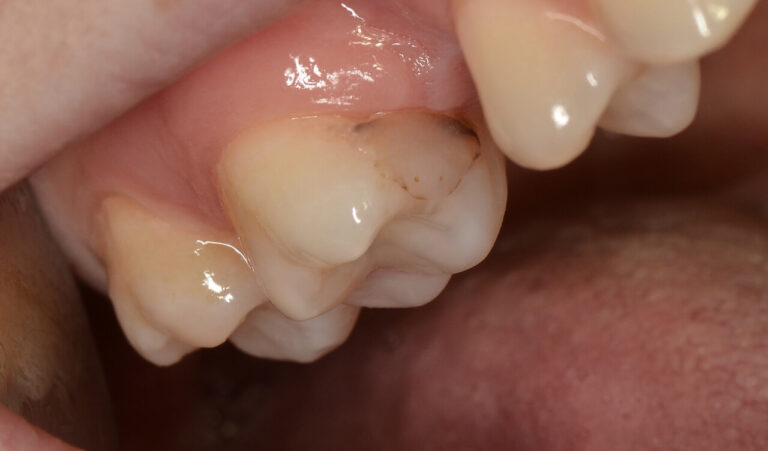
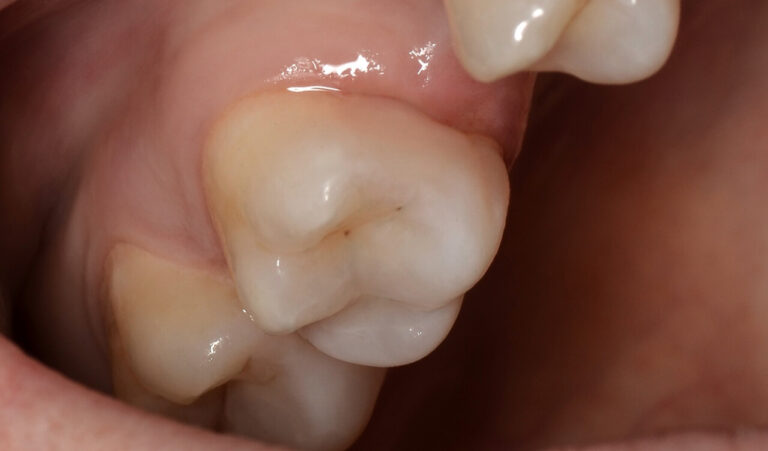
Stages of execution:
- discussion of the patient’s wishes and indications for the procedure;
- photo protocol;
- fitting of templates of the desired restoration color;
- anaesthesia;
- isolation of the working field;
- removal of old fillings and carious lesions;
- layer-by-layer restoration of the tooth surfaces;
- placement of the restoration in optimal contact;
- grinding and polishing of the composite;
- recommendations for the home care of restorations.


Reviews


FAQ
The tooth doesn’t hurt, does it really need treatment?
A great motivation for a patient to visit a dentist is the presence of unpleasant sensations and complaints in the oral cavity (aesthetic defect of the tooth, stuck food, bad breath, tooth sensitivity to sour, sweet, cold, or hot food). In most cases, the initial and even deep caries do not bother the patient, and during the examination, radiography, and special tests, the dentist diagnoses the carious process and recommends treatment of the problem tooth. During an appointment with a specialist, it is easier for the patient to be sure of the tooth’s necessity and scope of treatment.
This is the importance of regular preventive examinations, on average every 6 months, without specific complaints.
Can decay appear again on a treated tooth?
After filling a tooth, the dentist recommends oral care based on the patient’s main causes of tooth decay, individual features of the bite, the presence of crowns, and the condition of the gums. If the care received is neglected, the risks of developing new dental problems or complications of already treated dental issues may increase. This can be secondary caries of a more complex stage of development on the tooth or root surface adjacent to the filling as a result of poor hygiene of the teeth and interdental spaces, which can lead to gum disease.
The dentist must determine the regularity of preventive hygiene and quality control of oral care individually for the patient to reduce the risk of complications after sanitation.
Why is the tooth sensitive after filling?
The symptom of temporary tooth sensitivity after filling is due to certain factors:
- overbite of the filling. During chewing, the tooth is overloaded on the ligamentous apparatus (periodontium), which sends a signal about the problem. It is unacceptable to get used to a false filling height; the patient should see a dentist to correct it and reduce the risk of trauma to the tooth.
- the tooth is sensitive to cold after filling.
In this case, the doctor traces the dynamics of sensitivity and the stage of caries development at the time of treatment, which allows them to make the necessary conclusions.
Short-term tooth sensitivity after medium, deep caries treatment is acceptable for up to two weeks. However, prolonged, increasing tooth sensitivity, especially unreasonable, should be considered a symptom of exacerbation or complication of chronic caries (inflammation of the nerve) and requires immediate referral to a specialist.
Why does tooth decay occur?
Tooth decay is the destruction of tooth tissue by bacteria (also called streptococci) in the mouth that break down sugar and carbohydrates in food into acid. They form a biofilm on the tooth surface that damages tooth enamel.
Tooth decay usually starts in the fissures or contact points between the teeth. However, if a tooth neck is exposed, decay may also develop there.
Dentists use dental probes to find cavities and thus can determine if the tooth tissue has become soft due to decay. An X-ray is an alternative method of diagnosis.

 Out team
 Reviews
 Blog
Blog News
News Price list
 Partners
 FAQ
FAQ Vacancies
 Dental Consultation
 Tooth Decay Treatment
 Root canal treatment (endodontics)
 Orthodontics
 Dental implantation
 Dental prosthetics
 Professional oral hygiene
 Tooth Filling
 Periodontal disease treatment
 Teeth restoration
 Teeth extraction
 Surgical dentistry
 Sedation dentistry (sleep dentistry)