


Tooth Posts
Price of Installing a Post in a Tooth
What is tooth post and what it is for
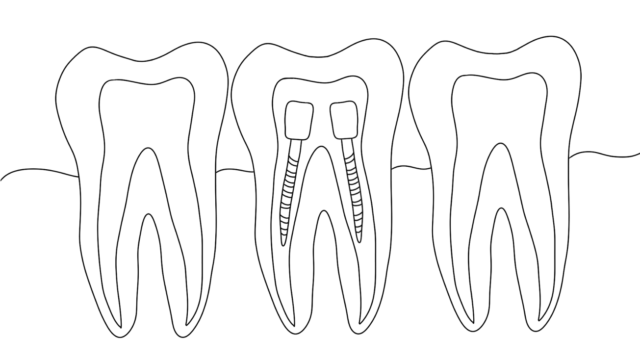
Today, fibreglass posts are the most popular method of reinforcing (strengthening) tooth roots after endodontic treatment. This popularity and feasibility are explained by the equal elasticity of the post and dentin and the uniform and directed transfer of chewing load to the tooth root, reducing the fracture risk.
Pros and cons of tooth posts
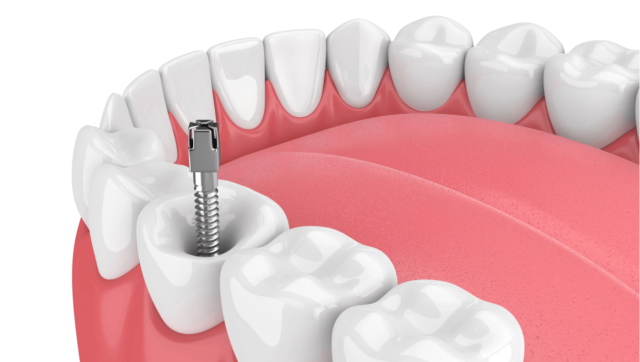
An anatomical root post is indicated for restoring teeth with wide root canals and significant dentin layer loss.
In this restoration method, a flowable resin simulates the root canal, and the glass fibre post reduces the space between the post and the root wall, which is filled with polymer cement. Thus, combining the two restorative materials (post and composite resin) will serve and behave biochemically as a replacement for the lost dentin layer.
Types of tooth posts
Anatomical root posts have a favourable prognosis in cases of significant tooth destruction and contribute significantly to tooth restoration regarding chewing function, minimising the risk of root fracture and aesthetics.
In addition, fibreglass posts distribute the load evenly in the occlusal and radicular regions compared to metal posts. This alternative to tooth restoration provides the possibility of obtaining an aesthetic result when preparing the tooth for a metal-free crown.


Reviews


FAQ
Are root canals treatment painful?
Currently, all dental procedures possibly causing painful sensations are performed under anesthesia. You do not need to worry and tensely expect that the doctor is about to “touch the nerve,” local anesthesia helps not think about the sensations during the procedure.
Root canal vs. extraction: what’s the difference?
Root canals are located within the roots of the teeth, holding them in the jaw. The roots remain, and the canals inside of them are cleaned and sealed.
Why do I need root canal treatment if my tooth doesn’t hurt?
It is not uncommon to have the canals re-treated due to poor previous treatment. The resealing can occur after the treatment, causing root canal infection, making periodontal disease visible through an X-ray. Modern standards of primary root canal treatment almost eliminate the need for further retreatment.
Earlier, during root canal treatment, a doctor would replace the medication inside the tooth, but how is it treated now?
The root canal treatment method requiring a change of medication for more than 4 weeks is hopelessly outdated. 1-2 visits are enough for most endodontic treatment cases.

 Out team
 Reviews
 Blog
Blog News
News Price list
 Partners
 FAQ
FAQ Vacancies
 Dental Consultation
 Tooth Decay Treatment
 Root canal treatment (endodontics)
 Orthodontics
 Dental implantation
 Dental prosthetics
 Professional oral hygiene
 Tooth Filling
 Periodontal disease treatment
 Teeth restoration
 Teeth extraction
 Surgical dentistry
 Sedation dentistry (sleep dentistry)