



Dental Treatment Under a Microscope
Price of Dental Treatment Under a Microscope
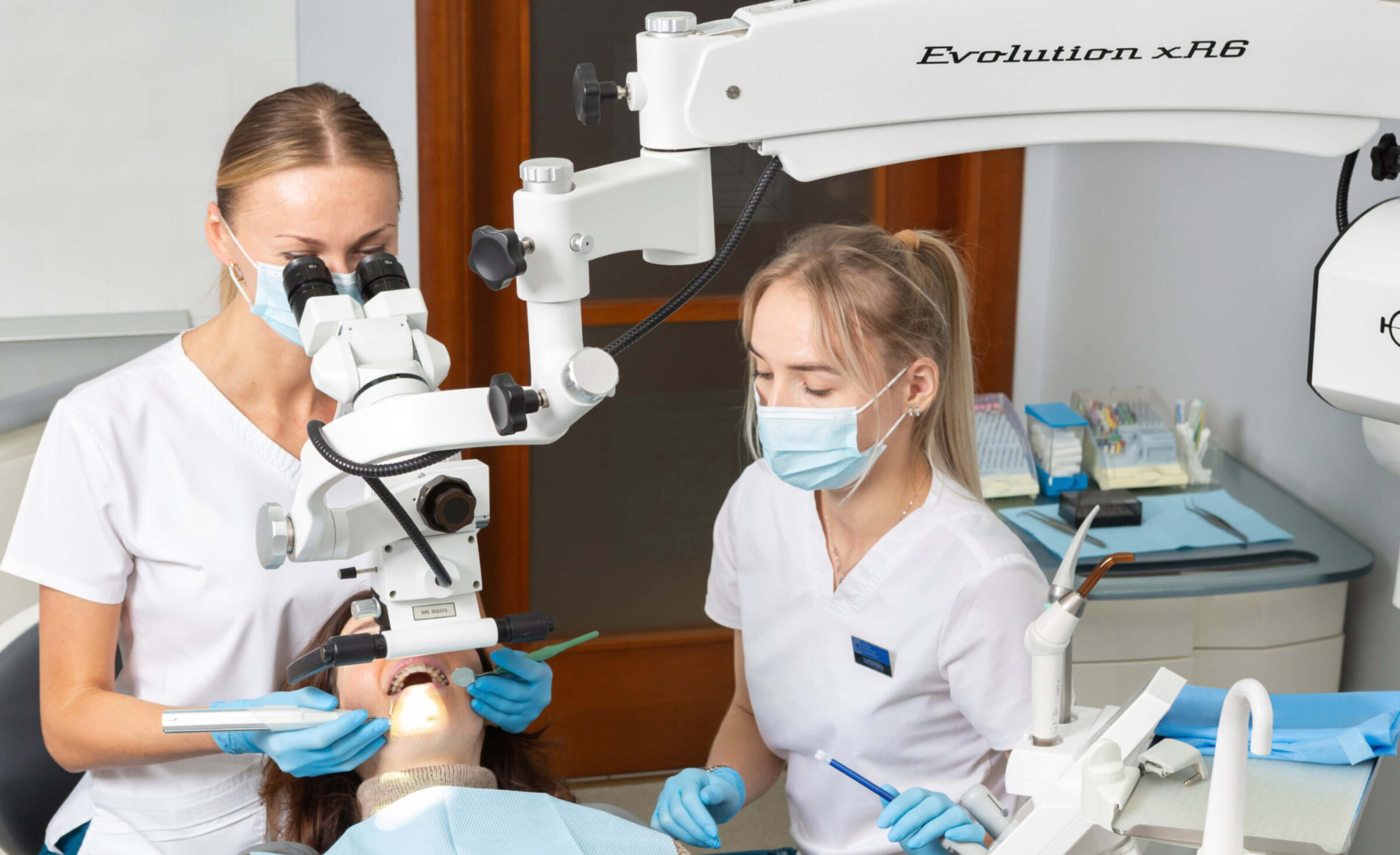
Why dental treatment under a microscope is needed
The use of the microscope in dentistry dates back to the early 20th century when this magnification was adapted for dental purposes.
A dental microscope presents the ability to see inside the canal and not to work by touch. Some time ago, this might have seemed redundant, like HD resolution at some point, but the choice is obvious. In addition to the intuitive benefits, one of the reasons a microscope is necessary is that, before its widespread use, not all channels could be detected.
For example, it was considered that there are most often 3 canals in the upper molars, but, as it turned out later, there are often 4 of them. This fourth canal is simply complicated to detect and process without visual control.
The introduction of the clinical dental microscope opened up a new dimension in diagnosis and therapy in dentistry. The combination of additional light, magnification, and the microscope’s ergonomic design expanded the boundaries of endodontology to include the successful preservation of previously questionable teeth.

Advantages of dental treatment under a microscope
The possibility with magnification to:
- see the entire length of the canals;
- detect extra root canals;
- find difficult areas in the area under examination;
- extract the remains of fractured instruments that block the canal lumen, negatively affecting the treatment prognosis;
- remove old fillings;
- treat and clean the root canals;
- locate and fill perforations in root canals;
- detect cracks in the tooth enamel.
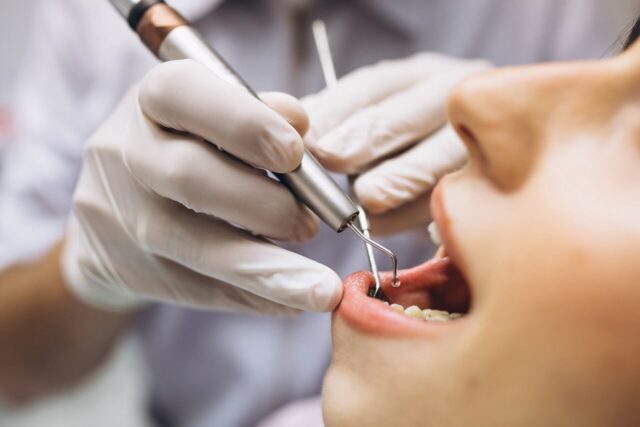
Применение микроскопа улучшило как первичное,так и повторное лечение каналов, уменьшая показания к хирургическому вмешательству, отодвинув границы в сторону “невозможного“ консервативного лечения.
Соблюдение и выполнение всех пунктов современного протокола лечения корневых каналов возможно только с применением дентального микроскопа,что обеспечивает высокий процент предсказуемого прогноза успешного лечения.


Reviews


FAQ
Are root canals treatment painful?
Currently, all dental procedures possibly causing painful sensations are performed under anesthesia. You do not need to worry and tensely expect that the doctor is about to “touch the nerve,” local anesthesia helps not think about the sensations during the procedure.
Root canal vs. extraction: what’s the difference?
Root canals are located within the roots of the teeth, holding them in the jaw. The roots remain, and the canals inside of them are cleaned and sealed.
Why do I need root canal treatment if my tooth doesn’t hurt?
It is not uncommon to have the canals re-treated due to poor previous treatment. The resealing can occur after the treatment, causing root canal infection, making periodontal disease visible through an X-ray. Modern standards of primary root canal treatment almost eliminate the need for further retreatment.
Earlier, during root canal treatment, a doctor would replace the medication inside the tooth, but how is it treated now?
The root canal treatment method requiring a change of medication for more than 4 weeks is hopelessly outdated. 1-2 visits are enough for most endodontic treatment cases.

 Out team
 Reviews
 Blog
Blog News
News Price list
 Partners
 FAQ
FAQ Vacancies
 Dental Consultation
 Tooth Decay Treatment
 Root canal treatment (endodontics)
 Orthodontics
 Dental implantation
 Dental prosthetics
 Professional oral hygiene
 Tooth Filling
 Periodontal disease treatment
 Teeth restoration
 Teeth extraction
 Surgical dentistry
 Sedation dentistry (sleep dentistry)