


Teeth extraction under sedation

Price of Tooth Extraction Under Sedation
Sedation in Dentistry – Types of Sedation in Dentistry
Sedation in dentistry is a modern and comfortable method of dental surgery. The essence of the procedure is a temporary blocking with anesthetic drugs of brain areas responsible for an increased level of anxiety.
In a state of sedation, a person calms down and plunges into a superficial sleep while remaining conscious. Despite the increased popularity of the procedure, patients often have questions about its contraindications and sedation risks.
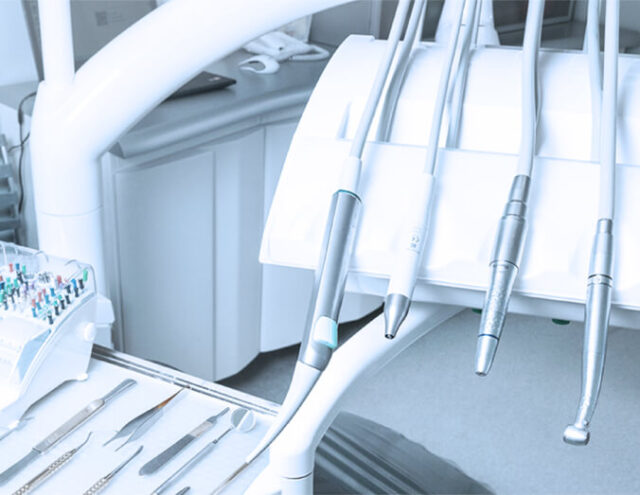
What Is Sedation in Dentistry?
This state is similar to sleep. The person is conscious but simultaneously wholly relaxed physically and emotionally. The patient can communicate with the doctor, respond to stimuli, breathe spontaneously, and have normal reflexes. A sedative is French for soothing.
Sedation in dentistry helps to relax and administer local anesthesia painlessly and without fear.
The main advantages of sedation include the following:
- it does not cause addiction;
- has practically no contraindications or age restrictions;
- quickly relieves fear.
Sedation is the ability to remove the gag reflex, increase pain tolerance, and increase the efficiency of local anesthesia.
To reduce the risk of developing negative consequences, you must first undergo an examination.
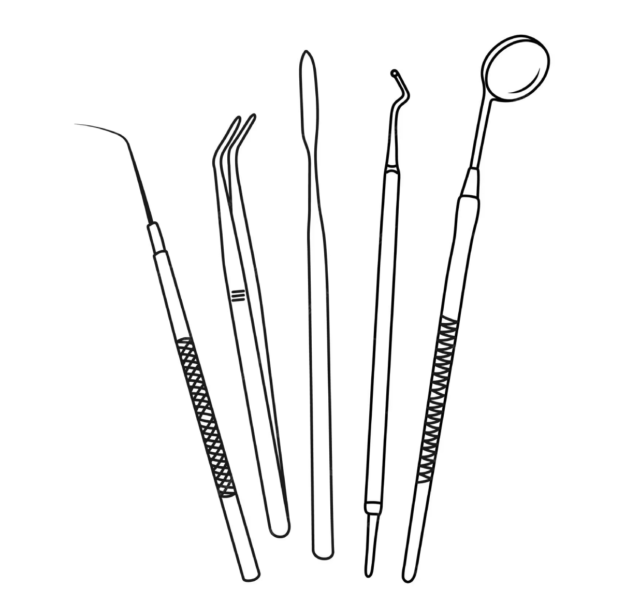
Indications and Contraindications for Sedation
Sedation is a good option for patients who fear or panic and have high blood pressure due to stress while visiting a dentist. The technique is helpful for people with an increased gag reflex and a reduced pain threshold. Apply if long-term surgical treatment is required, requiring one visit to the doctor.
Sedative drugs are used for various dental procedures:
- open sinus lift surgery;
- flap surgery within the periodontal disease treatment;
- complex periodontal surgeries;
- implantation of teeth;
- teeth extraction with varying severity.
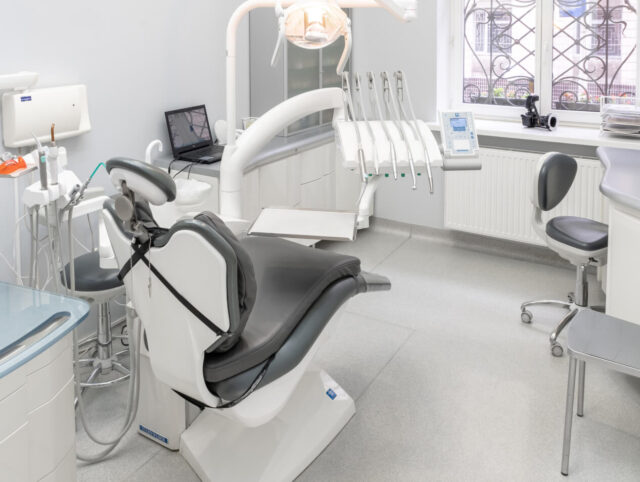
Contraindications for sedation:
- less than three years old;
- allergic reaction and intolerance to sedative drugs components;
- arterial hypertension, cardiovascular disease, pregnancy.
In case of inhaled intranasal therapy – runny nose, nasal congestion.
The procedure is not applied in case of epilepsy – after using sedative gas, intracranial pressure may increase, provoking an attack.
Sedation should be avoided in case of tuberculosis, hepatitis, myasthenia gravis, mental disorders, and alcohol and drug addictions.
Dental Treatment under Anaesthesia
What is the difference between sedation and anesthesia?
Anaesthesia dramatically increases the degree of inhibition, switches off consciousness, and suppresses the reflexes; the patient does not respond to stimuli. The anesthesia function is to immerse a person in a state where you feel nothing.
Some medical terms in ordinary life acquire additional meanings. In 99% of cases, the phrase “to treat teeth under anesthesia” means the use of sedatives. Due to this common mistake, even dentists use the term “anesthesia” when they mean the use of drugs to depress consciousness while maintaining reflexes and consciousness.
General anesthesia in dentistry is rarely used, mainly in the maxillofacial surgery department. Manipulations require special equipment to control heart rate, respiration, blood pressure, and oxygen levels.
Treatment under sedation, when compared with anesthesia, is a safer and more straightforward procedure; it has fewer contraindications and side effects.

Sedation – side effects
The adverse effects of sedation depend on the administration route and the drug effect mechanism. In the beginning, some patients experience increased activity and sociability. An obsessive cough attack sometimes begins; in such cases, the drug dosage is adjusted.
Sedation – possible side effects:
- very rarely – temporary loss of consciousness immediately after treatment;
- rarely – a feeling of euphoria, headache, dizziness, chills, irregular heartbeat, cough, nausea and vomiting, fever;
- often – pain at the injection site with intravenous medication.
Does sedation have dangerous side effects? No, the procedure is completely safe for adults and children over three years of age when performed by an experienced physician. The specialist must undergo special training; the clinic must have all the necessary equipment to eliminate emergency consequences.
However, sedation is not a magic pill for all occasions; it will not replace painkillers. This state allows the patient to relax, get rid of fear, and calmly endure all further manipulations of the dentist.


Reviews


FAQ
How long does the pain last after a tooth extraction?
Pain duration depends on the wound’s size, individual sensitivity, and the healing process. It usually decreases after 2-3 days. However, if the wound is not healing correctly or the wound surface is large, pain may persist for over a week.
How long do I have to wait after a tooth extraction to place implants?
Implants can be placed immediately after tooth extraction. If the socket after extraction is infected, we wait about 2 weeks and do the so-called early delayed implantation. When bone grafting is necessary, implantation is carried out 4 months after the extraction.
What can I eat after a tooth extraction?
After a tooth extraction, the socket should not be traumatised for a few days. Therefore, it is necessary to avoid eating hard foods. Soups and soft foods are best at this time. Milk, yoghurt, cottage cheese, etc., are not recommended for the first three days, nor should you eat foods that crumble and may remain in the extraction site, thus infecting it.

 Out team
 Reviews
 Blog
Blog News
News Price list
 Partners
 FAQ
FAQ Vacancies
 Dental Consultation
 Tooth Decay Treatment
 Root canal treatment (endodontics)
 Orthodontics
 Dental implantation
 Dental prosthetics
 Professional oral hygiene
 Tooth Filling
 Periodontal disease treatment
 Teeth restoration
 Teeth extraction
 Surgical dentistry
 Sedation dentistry (sleep dentistry)