


 (134)
(134)
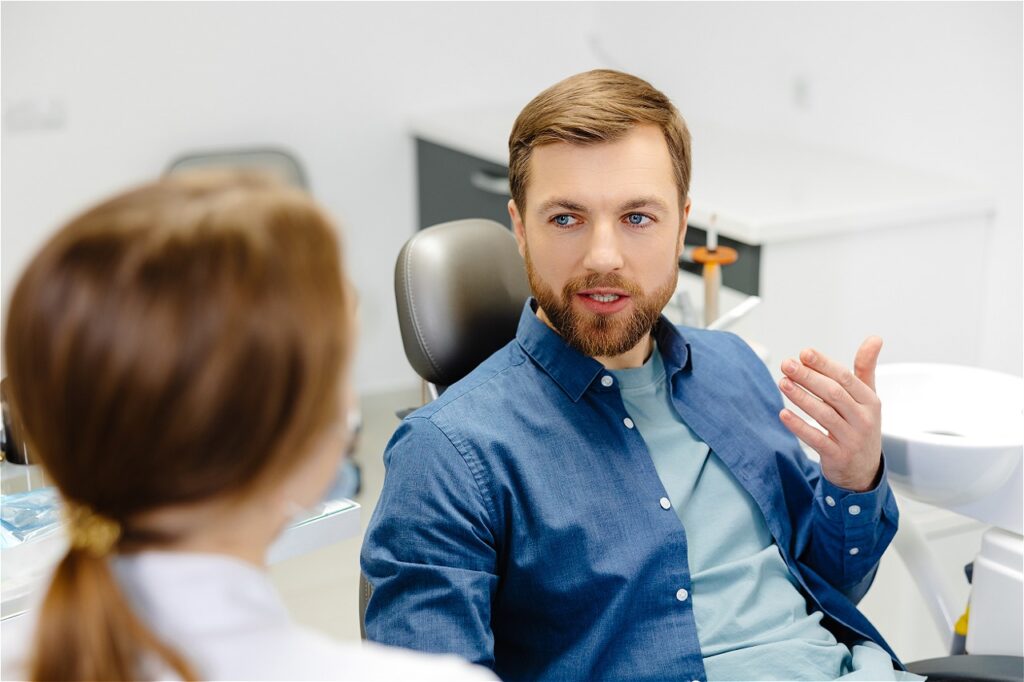

Tooth mobility can be physiological or pathological. In the first case, tooth mobility is minimal and unnoticeable. In the pathological form, the tooth is loosened during chewing, when touched with a finger or tongue. Such a symptom indicates a severe dental disease and requires complex treatment.
Without timely treatment, the condition progresses and eventually causes tooth loss. Doctors of the Clinic of Aesthetic Dentistry have extensive experience in treating pathological mobility, which makes it possible to preserve a healthy smile of the patient even in difficult situations.
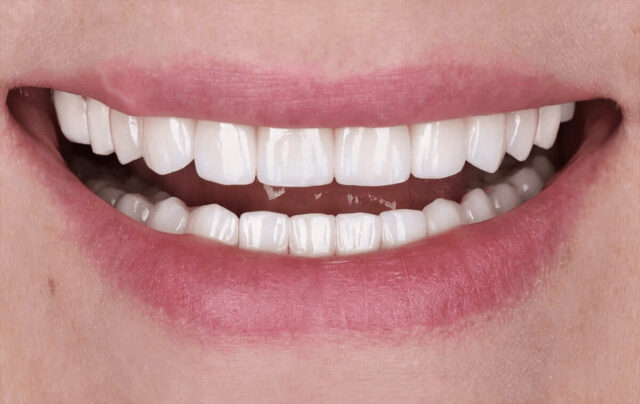
Rehabilitation of a patient with tooth wear using ceramic restorations
Why Teeth Become Mobile: Main Factors
Each tooth is retained in the bone cavity by the periodontium, a tissue complex with a common origin and function. The periodontium consists of the mucous membrane of the gums, the periodontal membrane (gum ligament), the cement of the tooth root, the periosteum, and the alveolar process of the jaw. They are firmly fixed to each other and form the supporting and retaining apparatus.
Typically, the tooth moves no more than 0.15 mm, necessary for cushioning during chewing. If pathological changes occur in the periodontium, the teeth become severely wobbly and may fall out.
Gum Disease As a Cause of Loose Teeth
Pathological mobility is most often a symptom of periodontitis – inflammation of periodontal tissues, which occurs in chronic form. The prevalence of this disease reaches 75 percent among adults and increases to almost 100 percent in the elderly.
Periodontitis develops as the next stage of gingivitis – inflammation of the gums associated with poor oral hygiene and accumulation of plaque and bacteria in the sub-gingival space. In periodontitis, the gums gradually lose contact with the tooth roots, gum pockets deepen, and the necks of the teeth are exposed. The disease is accompanied by thinning and loss of bone mass, and violation of elasticity of the periodontal ligament apparatus.
If periodontal disease treatment is not performed in time, mobility increases over time. According to the severity of the course, there are four grades of pathological mobility:
- 1 grade – loosening not more than 1 mm and only in one direction;
- 2nd grade – increase in the amplitude of movements and loosening of the tooth in two directions simultaneously;
- 3rd grade – pronounced mobility of the tooth unit in different directions;
- 4th grade – severe loosening of the tooth with the possibility of rotation around the axis.
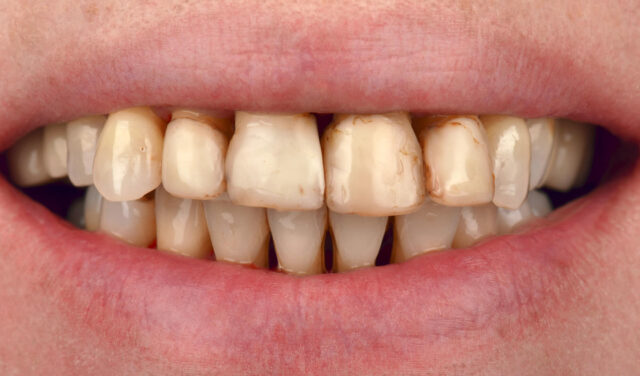

Complex rehabilitation: a patient with stage 4 periodontitis
Trauma and its effect on tooth mobility
Any acute mechanical damage to the periodontal tissues can cause teeth to loosen. Unlike periodontal disease, this condition occurs abruptly and is clearly related to the trauma suffered. Typically, patients complain of loosening of 1-2 teeth that have experienced maximum damage.
Pathological mobility also occurs with chronic microtrauma of the periapical tissues, which is caused by bite abnormalities, incorrect denture selection, and large fillings.
The Impact of Stress and Hormonal Changes on Dental Health
The health of periodontium depends on the general condition of the body and the presence of concomitant diseases. The risk of pathological mobility increases under the influence of such factors:
- frequent stress, which stimulates the release of inflammatory mediators and disrupts the process of salivation;
- hormonal changes in women during menopause, which lead to bone damage and weakening of the ligamentous apparatus;
- imbalance of hormones in endocrine diseases: diabetes mellitus, hypo- and hyperthyroidism, insufficiency of the adrenal cortex;
- chronic diseases of the cardiovascular, respiratory, and immune system;
- advanced age, accompanied by deterioration of blood supply and nutrition of the gums.
Treatment of tooth mobility: What should be done?
The primary therapeutic procedure is considered to be periodontal cleaning – debridement of the gums. The technique is used to remove hard dental deposits from gum pockets. It reduces the inflammatory process and prevents further damage to periodontal tissues and the progression of mobility. Professional hygiene is performed as a first step before other treatment options.
Non-surgical methods of treatment of wobbly teeth
Doctors are limited to conservative measures in the initial stages of gum and periodontal diseases. The main ways of strengthening wobbly teeth are:
- Vector therapy – treatment with an ultrasonic device. Vector removes dental deposits, contributes to gum reattachment, and reduces inflammation.
- Splinting – fixing loosened teeth with a dental splint made of fiberglass or other materials.
- Splinting – a structure that replaces lost teeth and keeps the patient’s other teeth from loosening.
- Orthodontic treatment – correcting the bite and normalizing tooth alignment to eliminate chronic microtrauma during chewing.
- Plasma therapy involves injecting the patient’s own blood plasma, which has undergone special treatment and contains a high concentration of platelet growth factors.
- Various areas of physiotherapy (ultrasound, vacuum therapy, laser therapy, electrophoresis) to enhance the effect of other treatment methods.
Various areas of physiotherapy (ultrasound, vacuum therapy, laser therapy, electrophoresis) to enhance the effect of other treatment methods.
Complex therapy of mobility is supplemented with medications that have anti-inflammatory, antibacterial, hyposensitizing, immunomodulatory properties.
For local treatment, ointments and gels with healing, anti-edema, vasoactive action are used. If dystrophic processes in the periodontium are caused by hormonal diseases, the dentist refers the patient to an endocrinologist for selection of etiotropic therapy.
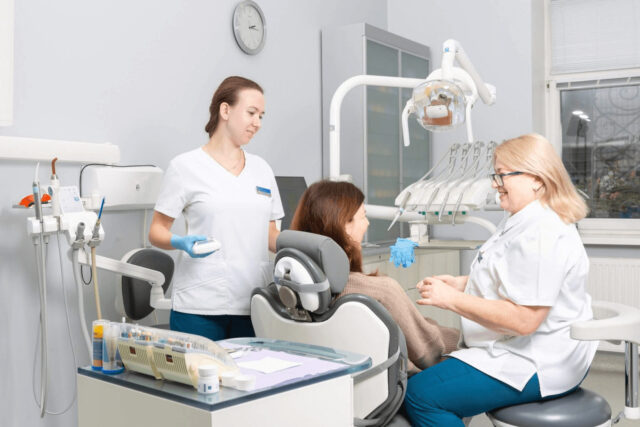
Professional teeth cleaning in Kyiv
Surgical treatment: indications and options
Surgical intervention is prescribed in the following situations:
- deep gum pockets (over 5 mm) that cannot be cleaned by conservative treatment;
- ineffectiveness of splinting and medical therapy of pathological mobility;
- traumas of the dentition accompanied by root exposure, fracture of dental crowns;
- signs of purulent inflammation of the periodontal and surrounding bone tissue.
In dentistry, different methods are used to treat periodontal disease and pathological mobility. The most common method is open flap debridement, which involves making an incision in the gum to thoroughly clean deep gum pockets.
Flap surgery, a gum grafting procedure, strengthens teeth to close bare tooth necks and reduce loosening. If wobbly teeth cannot be saved, they are recommended to be removed and dental implants performed.
How to Prevent Tooth Mobility: Care Tips
Despite doctors’ best efforts and modern dentistry’s achievements, pathological mobility is difficult to treat. Oral health should be monitored from a young age to reduce the risk of developing the disease and prevent premature tooth loss.
Importance of oral hygiene and preventive measures
Since poor oral hygiene is considered the leading cause of periodontal disease and loosening of teeth, you should pay special attention to proper brushing.
- Hygiene should be performed regularly twice daily – in the morning and the evening.
- Brushing should take at least 2 minutes and include treatment of all surfaces of the tooth row.
- The dentist selects the brush and paste and makes recommendations based on the state of the oral cavity.
- To improve hygiene, it is advisable to purchase an electric brush and floss and rinse after brushing to remove plaque from hard-to-reach areas.
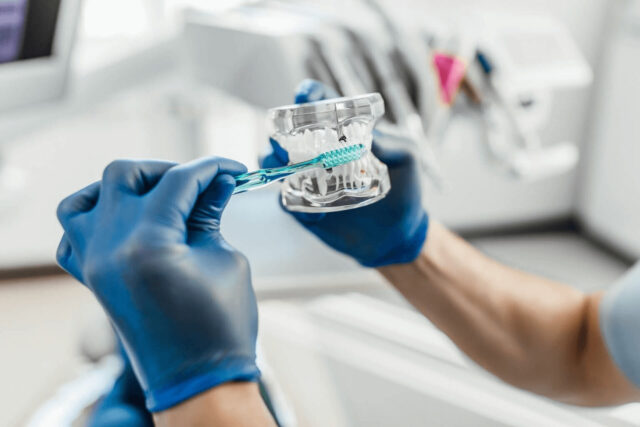
Proper teeth cleaning with an example
Additional measures to prevent teeth loosening:
- Limit the consumption of too hard food and sweets;
- add fresh fruit, vegetables, dairy products – sources of vitamins and microelements – to the diet;
- do not use teeth to open bags and bottles;
- monitor the general state of health and treat hormonal disorders on time;
- stop smoking conventional and electronic cigarettes.
When Do I Need to See a Dentist?
Regular visits to the doctor once every six months – the most important link in the prevention of pathological mobility. During the consultation, the dentist assesses the condition of the teeth and gums, identifies risk factors for periodontitis in time. The doctor also gives recommendations on home hygiene and prescribes preventive treatment if necessary.
A doctor’s visit includes professional oral hygiene. During the procedure, the doctor removes plaque in the sub-gingival space, which is the main cause of gingivitis and periodontitis.
If one or more teeth are loose, you should seek dental care immediately. The affected tooth units are not able to grow to the gum on their own, and if the problem is ignored, the situation will worsen until the teeth fall out. The doctor will carry out a diagnosis, determine the causes of loosening, and choose a comprehensive treatment.




 Out team
 Reviews
 Blog
Blog News
News Price list
 Partners
 FAQ
FAQ Vacancies
 Dental Consultation
 Tooth Decay Treatment
 Root canal treatment (endodontics)
 Orthodontics
 Dental implantation
 Dental prosthetics
 Professional oral hygiene
 Tooth Filling
 Periodontal disease treatment
 Teeth restoration
 Teeth extraction
 Surgical dentistry
 Sedation dentistry (sleep dentistry)