


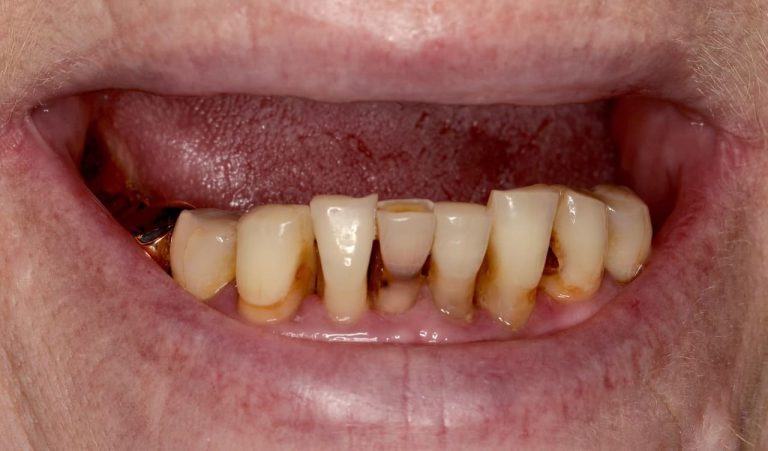
Before
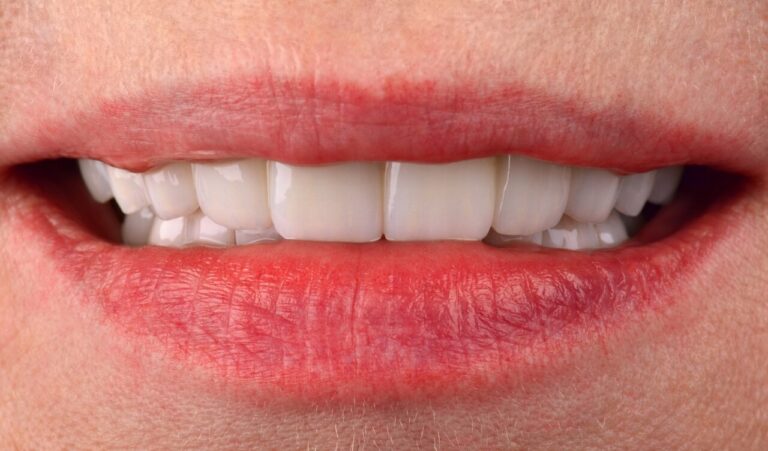
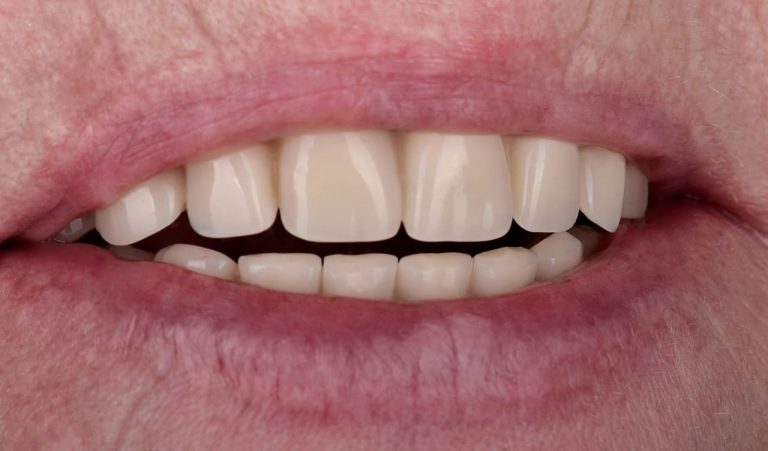
After
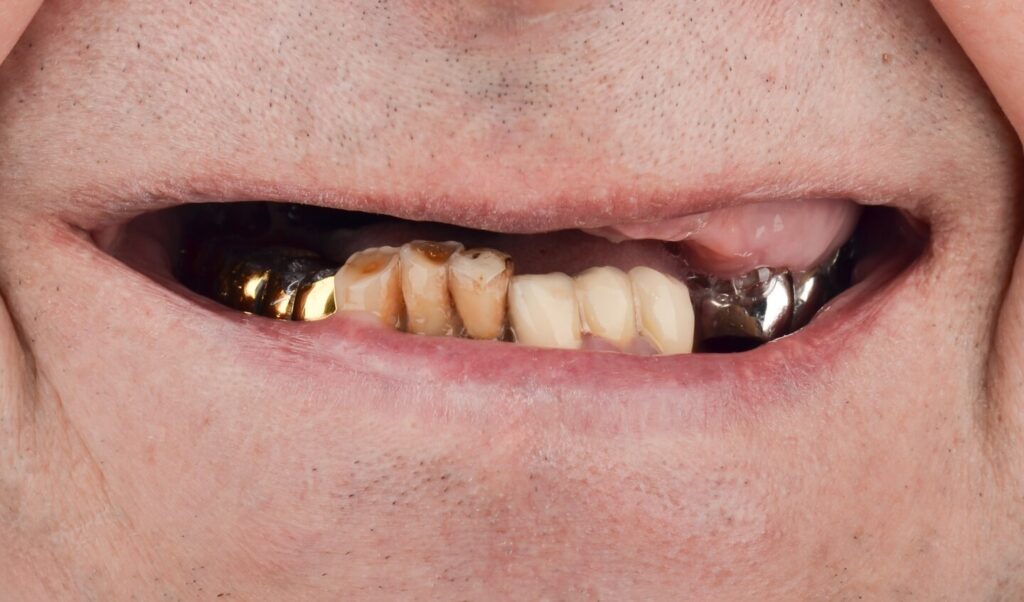
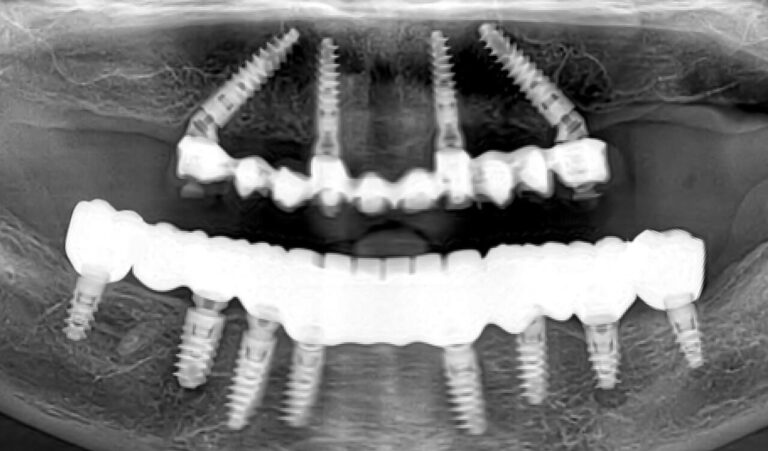
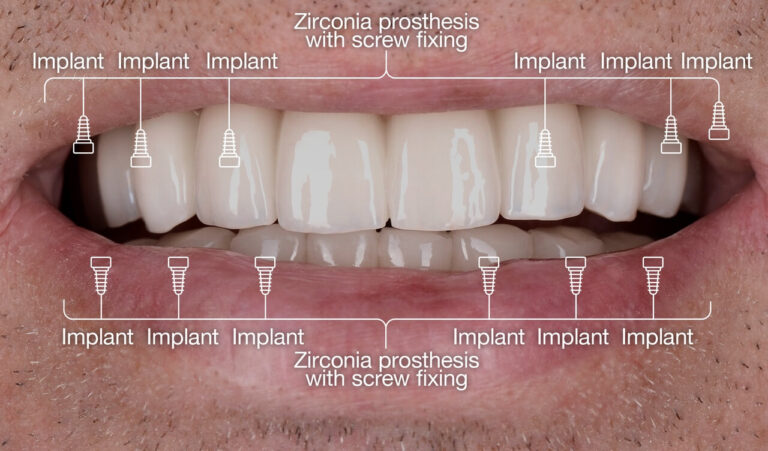
In brief: for a 70-year-old patient with partial edentulism, upper-jaw atrophy and sinus pneumatization, we performed a full fixed rehabilitation without bone grafting or a sinus lift. We used 6 supports: 2 anterior, 1 angled, 1 zygomatic (zygoma) and 2 pterygoid implants. Surgery under general anaesthesia took about 5 hours; fixed FP-3 temporary prostheses were placed within a week. Systematic reviews report zygomatic implant survival of around 96% over long-term follow-up.
Key facts
| Patient | 70 years old, partial maxillary edentulism |
| Problem | Bone atrophy + maxillary sinus pneumatization, poor denture retention |
| Solution | 2 anterior + 1 angled + 1 zygoma + 2 pterygoid = 6 supports |
| Avoided | No sinus lift, no bone grafting |
| Surgery | Under general anaesthesia, ~5 hours, single stage |
| Prosthesis | Fixed FP-3, shade A2, within a week |
| Prognosis | High; zygoma survival ~96% (systematic reviews) |
Zygomatic (zygoma) and pterygoid implants — what they are
A zygomatic (zygoma) implant is an elongated implant anchored not in the atrophied upper jaw but in the massive cheekbone (zygoma). A pterygoid implant is placed in the dense bone of the pterygoid process at the back of the upper jaw. Both are used in severe atrophy and sinus pneumatization, where conventional implantation would require a sinus lift and bone augmentation. Anchorage in dense bone often allows immediate or early loading with a fixed prosthesis.
Stage 1. Diagnosis and digital planning
We performed a comprehensive clinical and radiographic examination, CBCT of both jaws and digital 3D planning. We assessed bone volume and density, the position of the sinuses and the mandibular nerve, and planned each implant position “to the future teeth”.
Stage 2. Choosing a graft-free protocol
The classic approach here would have required a sinus lift and bone grafting — extra surgeries, months of waiting and higher cost. We chose zygomatic and pterygoid supports anchored in dense bone, bypassing the atrophied areas and sinuses.
Stage 3. Surgery under general anaesthesia
Surgery lasted about 5 hours under general anaesthesia: the remaining teeth were extracted and all 6 implants placed. General anaesthesia ensured patient comfort during the long procedure, and the entire surgical scope was completed in one visit.
Stage 4. Immediate fixed FP-3 prostheses
Within a week we placed two FP-3 fixed temporary prostheses (with artificial gums), shade A2, with anatomically calibrated teeth. The patient quickly returned to chewing and smile aesthetics; a permanent restoration is planned after osseointegration.
Conventional implants vs zygoma/pterygoid for an atrophic upper jaw
| Parameter | Conventional + sinus lift/graft | Zygoma + pterygoid |
| Bone grafting | Required | Not required |
| Surgeries / timeline | More, months of waiting | Fewer, single surgical stage |
| Prosthesis loading | Usually delayed | Often immediate/early (within a week) |
| Cost | Higher due to grafting | Lower without grafting |
Result and prognosis
A pronounced functional and aesthetic result was achieved — chewing, speech and self-confidence were restored, and the patient reports a significant improvement in quality of life. The prognosis is favourable: systematic reviews report zygomatic implant survival of around 96% over a mean follow-up of more than 6 years (96–98% in the early years), with immediate loading performing no worse than delayed. The most common complication is sinusitis, so monitoring and hygiene matter. The patient strictly follows the recommendations and attends regular check-ups.
FAQ
Q: Can implants be placed without bone grafting?
A: Yes. With upper-jaw atrophy, zygomatic (zygoma) and pterygoid implants are used, anchored in dense anatomical structures that bypass the atrophied bone and sinuses — this avoids bone augmentation and a sinus lift.
Q: What are zygomatic (zygoma) implants?
A: They are elongated implants placed in the cheekbone. They are used in severe upper-jaw atrophy when conventional implants cannot be placed without prior bone augmentation.
Q: How do pterygoid implants differ from conventional ones?
A: They are placed in the pterygoid process — dense bone at the back of the upper jaw. This provides reliable posterior support without a sinus lift and allows a fixed prosthesis.
Q: Is it safe and painless at the age of 70?
A: Surgery is performed under anaesthesia and is painless. Age itself is not a contraindication — overall health and anatomy, assessed during diagnostics and CBCT, are what matter.
Q: How long do zygomatic implants last?
A: Systematic reviews report survival of around 96% over long-term follow-up (more than 6 years), comparable to conventional implants. Longevity depends on hygiene and regular check-ups.
Q: When is the permanent prosthesis placed?
A: A fixed temporary prosthesis is placed within a week, and the permanent restoration (e.g., full zirconia) is made after complete osseointegration — usually after several months.
Q: Can I chew right after surgery?
A: Thanks to anchorage in dense bone, immediate or early loading with a temporary prosthesis is often possible, so the patient returns to soft chewing soon after surgery and gradually expands the diet.
Clinic of Aesthetic Dentistry (KES), Kyiv — established in 2000; treatment is performed by top-category doctors. This material is informational; the exact plan is defined after an in-person consultation and diagnostics (X-ray/CBCT).

 Our team
 Reviews
 Blog
Blog News
News Partners
 FAQ
FAQ Vacancies
 Dental Consultation
 Tooth Decay Treatment
 Root canal treatment under a microscope
 Orthodontics
 Dental Implants
 Dental Prosthetics
 Professional Oral Hygiene
 Tooth Filling
 Periodontal disease treatment
 Aesthetic Dental Restoration
 Teeth extraction
 Surgical dentistry
 Sedation dentistry (sleep dentistry)